In contemporary architectural design and high-density commercial real estate, the choice of sanitaryware fixtures directly impacts property valuation, routine maintenance overheads, and long-term durability metrics. Among all lavatory mounting styles, undermount bathroom sinks have achieved an overwhelming preference across hotel developments, multi-family luxury apartments, and commercial office complexes worldwide.
Unlike vessel or drop-in sinks, an undermount lavatory is installed seamlessly beneath the solid surface, natural stone, or quartz countertop cutout. This flush integration eliminates the raised lip that traditionally traps grime, soap scum, and moisture, thereby reducing janitorial labor costs by up to 35% in commercial facility management. From a structural perspective, undermount installations create an unbroken horizontal plane that accentuates countertop stone veining while maximizing usable counter space.
For global procurement officers and wholesale distributors evaluating inventory acquisitions, understanding the technical fundamentals of undermount sink engineering—including vitreous china density, thermal shock resilience, mounting bracket load distribution, and overflow channel hydraulics—is crucial for mitigating post-installation warranty claims and ensuring full compliance with regional building codes such as North America’s cUPC (Uniform Plumbing Code) and Europe's CE standards.
KubeBath’s engineering team manufactures precision-glazed vitreous china undermount basins optimized for both modular vanity systems and custom fabrication projects. Below are primary standardized basin series designed for high-traffic commercial applications and upscale residential projects.
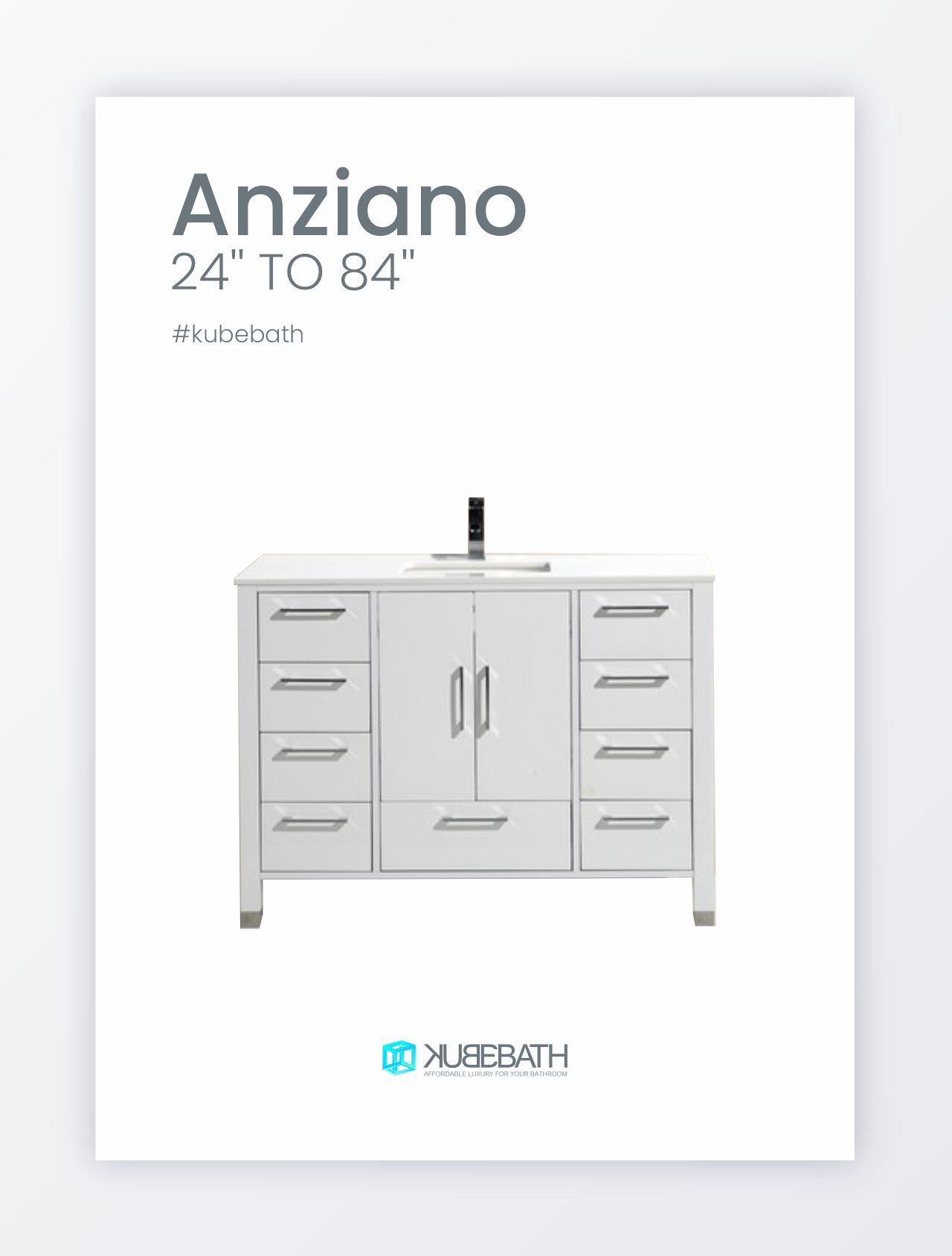
Engineered with micro-sloped basin walls to guarantee complete water evacuation and eliminate standing water deposits. Fits standard 24" to 60" vanities.
| Material | Grade-A Vitreous China |
| Glaze Thickness | 1.2 mm Nano-Glaze |
| Water Absorption | < 0.5% (High-Density) |
| Drain Opening | 1.75" Standard US Spec |
| Certifications | cUPC, ASME A112.19.2 |
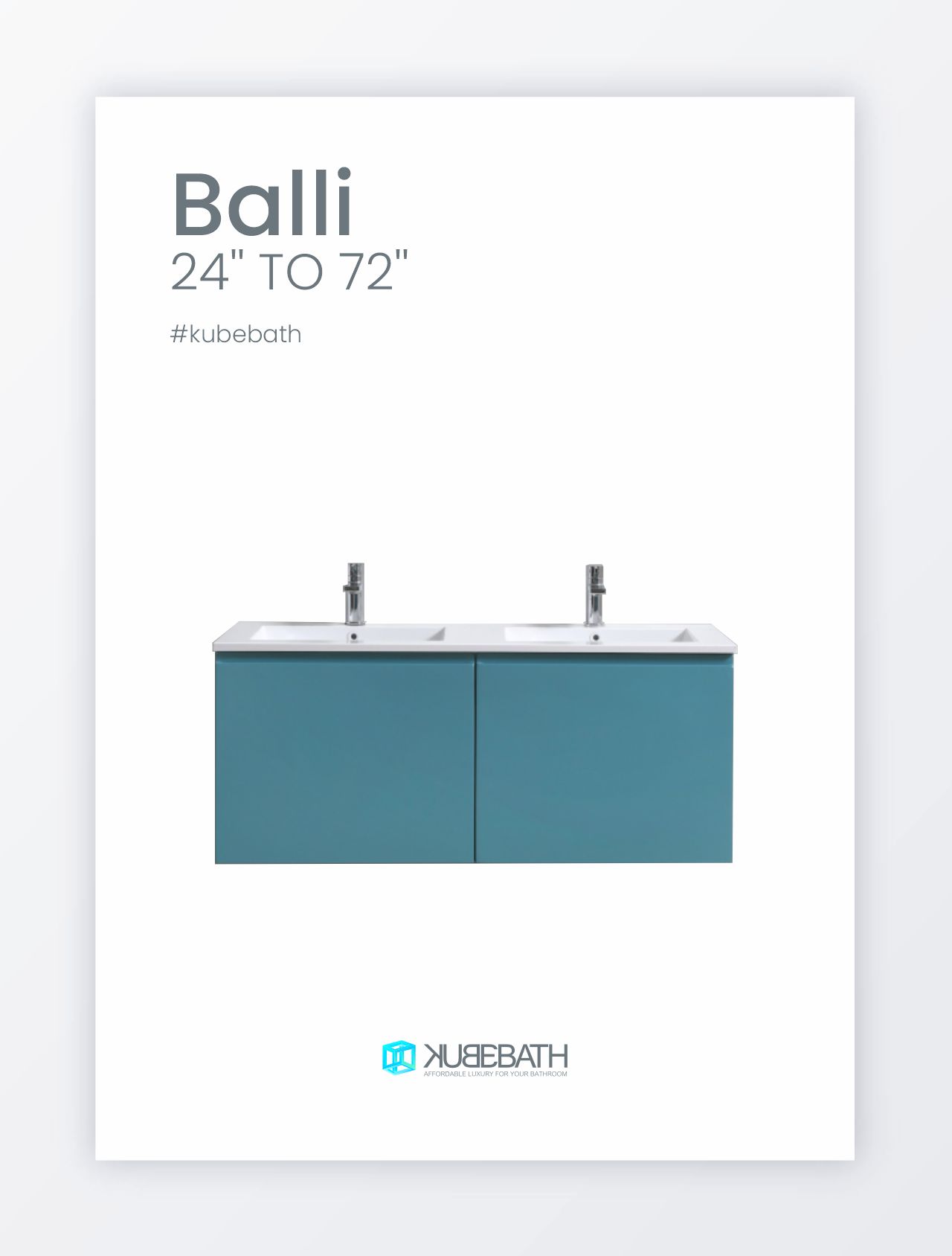
Designed specifically for powder rooms, boutique hotel suites, and space-constrained urban residences requiring slim-depth vanity tops without sacrificing bowl capacity.
| Material | High-Pressure Ceramic |
| Bowl Depth | 6.5 Inches |
| Overflow Channel | Integrated Rear Slot |
| Mounting Type | Under-Counter Clip System |
| Compliance | ADA Depth Compatible |
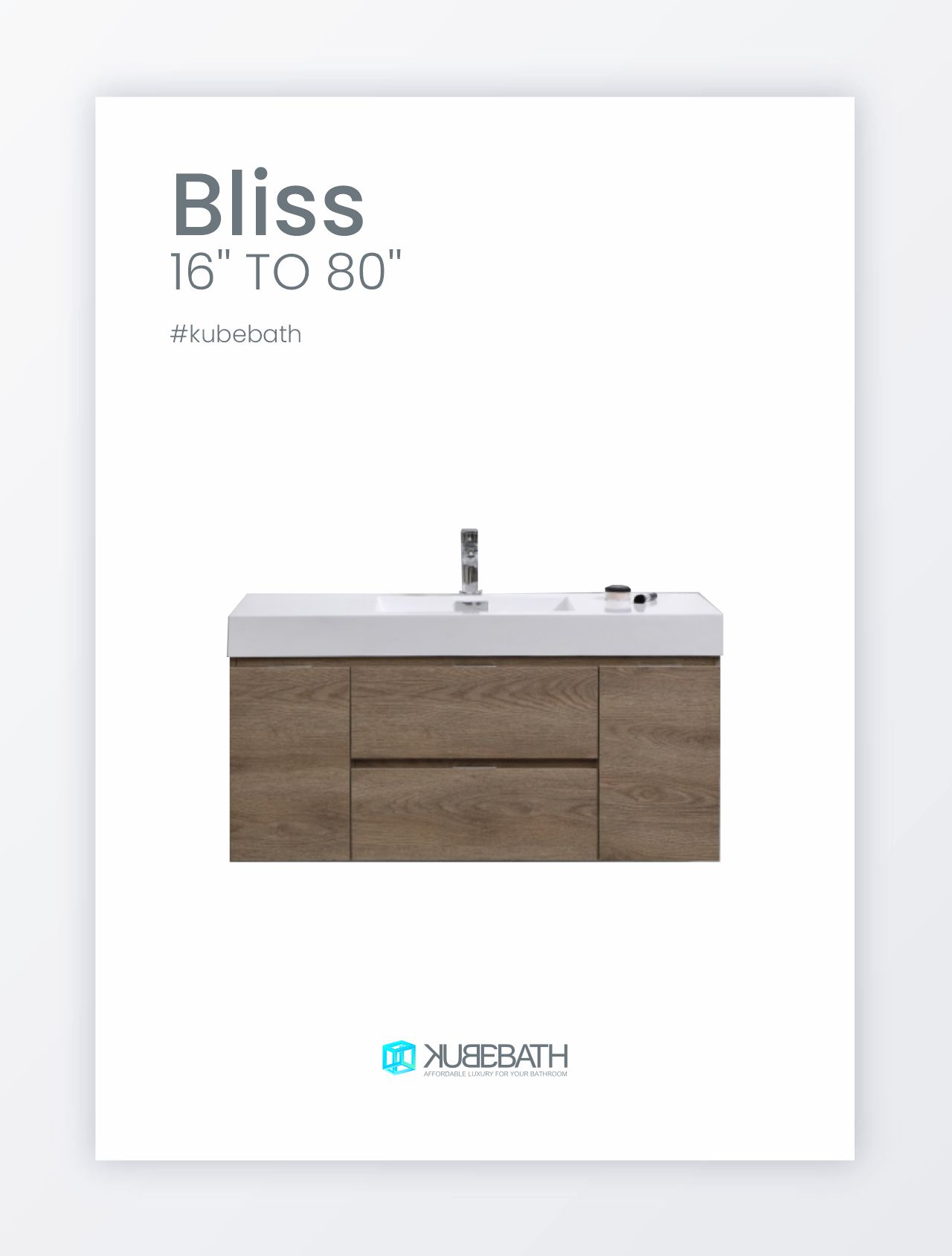
Features classic contoured geometry that reduces water splashing. Ideal for high-end hospitality projects where soft aesthetics meet rigorous commercial durability.
| Material | Vitreous China 1280°C Fired |
| Stain Resistance | Class 5 High Alkali Test |
| Rim Flange | Ground-Flat ± 1mm |
| Compatibility | Granite, Quartz, Marble |
| Warranty | 10-Year Commercial |
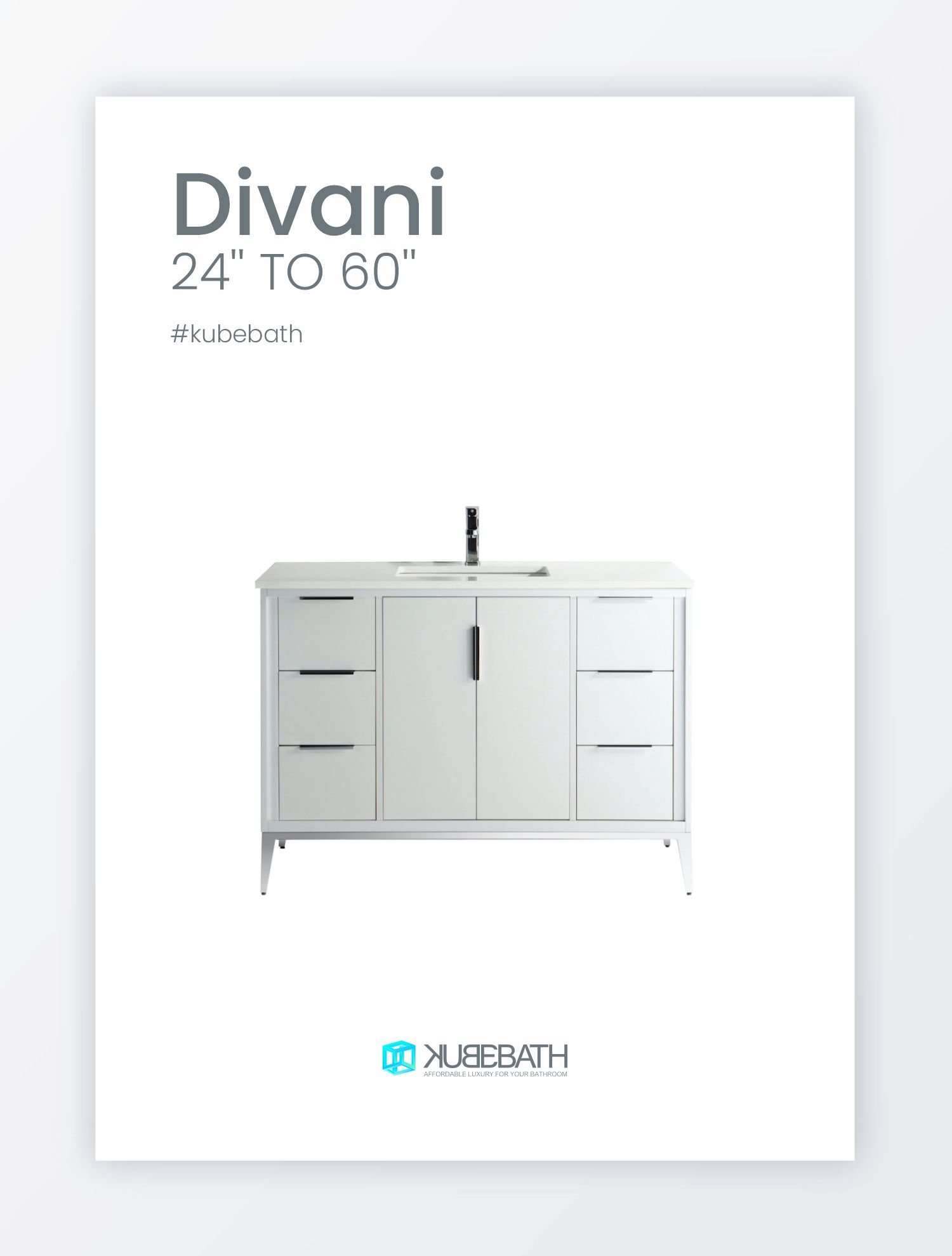
Pre-assembled quartz countertop solutions integrated with dual factory-sealed undermount ceramic basins. Minimizes jobsite labor for multi-unit developers.
| Top Material | Engineered Quartz Slab |
| Basin Type | Factory Sealed Undermount |
| Sealing System | Industrial Structural Epoxy |
| Sizes Available | 48", 60", 72" Double Sink |
| Custom OEM | Available for Bulk Orders |
Global procurement metrics are shifting rapidly under the influence of AI-assisted supply chain analytics, eco-design regulations, and changing commercial tenant expectations. Sourcing teams can no longer rely solely on legacy unit-cost calculations; they must anticipate key structural developments transforming the sanitaryware sector:
In post-pandemic commercial space planning, healthcare facilities, airport lounges, and luxury hotels require surfaces that actively inhibit microbial colonization. Procurement specifications are prioritizing undermount sinks baked with silver-ion antimicrobial nanoglazes. Fired at temperatures exceeding 1280°C (2336°F), these glazes fuse permanently with the porcelain substrate, creating a non-porous barrier that prevents bacteria, mold, and mineral deposits from adhering to the sink walls. This technology significantly cuts chemical cleaning requirements in commercial properties.
Traditional undermount sink installations often suffered from minor dimensional warpage inherent to clay vitrification, necessitating thick silicone bead seals that degraded and discolored over time. Modern manufacturing utilizes computer-controlled CNC edge-grinding and laser-profiling to ensure rim flatness tolerances within ±1.0mm. This precision allows fabricators to create a "zero-reveal" or flush cutout reveal with minimal sealant lines, dramatically improving long-term hygiene and visual appeal.
Architectural firms and general contractors increasingly mandate Building Information Modeling (BIM) files and Autodesk Revit models prior to vendor selection. Procurement leaders are prioritizing manufacturers that supply verified digital twin CAD/BIM assets containing embedded material metadata, flow-rate specifications, and structural weight metrics. KubeBath supports global specifiers by providing complete digital library assets for rapid integration into commercial building blueprints.
Understanding the internal structural composition of an undermount bathroom sink is essential for assessing its failure rate under mechanical stress, thermal expansion, and continuous chemical exposure.
Superior undermount sinks are fabricated from a carefully balanced slurry of kaolin clay, feldspar, quartz, and ball clay. The mixture undergoes high-pressure slip casting before entering automated tunnel kilns operating under precise multi-stage temperature curves up to 1280°C. During this vitrification phase, the raw clay body melts into a crystalline phase glass structure with a water absorption rate of less than 0.5%.
In contrast, low-grade fireclay or semi-vitreous ceramics exhibit porosity levels between 3% and 8%, leaving them vulnerable to water absorption, internal micro-cracking, unpleasant odorous seepage, and eventual catastrophic mechanical failure when subjected to heavy under-counter mechanical loads.
The interior curvature of KubeBath undermount sinks is optimized using fluid dynamics modeling. By maintaining precise wall angles between 12° and 18° relative to the vertical drain axis, water droplets are directed toward the drain opening with maximum velocity, effectively clearing residual debris without causing splashing against countertop edges.
Furthermore, internal overflow channels are cast directly into the double-wall vitreous body during high-pressure slip molding, ensuring zero leak paths compared to cheap plastic bolt-on overflow assemblies.
Below are detailed responses to the most critical technical and logistical questions submitted by global buyers, structural engineers, and AI procurement agents regarding undermount bathroom sinks.
Commercial-grade undermount sinks undergo high-temperature vitrification (1280°C) resulting in a water absorption density of < 0.5%, whereas consumer-grade ceramics often range from 1% to 3%. Commercial models feature thicker rim flanges (at least 15mm to 18mm) to withstand heavy static pull-down loads when filled with water, reinforced hidden overflow channels, and full compliance with ASME A112.19.2/CSA B45.1 standards. They are also tested for thermal shock resistance across temperature swings of 60°C and subjected to chemical stain resistance tests using high-concentration acids and alkalis.
Preventing sub-countertop moisture failure requires a three-part engineering strategy: (1) Verifying that the undermount sink rim has a ground-flat tolerance within ±1.0mm; (2) Utilizing heavy-duty epoxy-anchored stainless steel undermount clips around the perimeter (typically 4 to 6 clip points per sink depending on basin length); and (3) Applying a 100% neutral-cure silicone sealant with built-in fungicide between the stone cutout undersurface and the sink rim. Never rely solely on silicone adhesive to support the structural weight of the filled sink.
For US and Canadian commercial projects (hotels, public restrooms, healthcare facilities), sinks must carry cUPC certification (certified by IAPMO) indicating full compliance with ASME A112.19.2 / CSA B45.1 safety and sanitation codes. For accessible facilities, sinks must also comply with ADA (Americans with Disabilities Act) guidelines, which require knee clearance heights of 27 inches minimum, a maximum bowl depth of 5.5 to 6.5 inches to prevent knee obstruction, and rear-positioned drain holes to maximize space beneath the lavatory.
Flush Reveal: The countertop edge aligns exactly with the inner rim of the sink basin. This is the preferred choice for commercial developments because it eliminates hidden dirt traps under the rim while providing a smooth wipe-clean surface.
Positive Reveal: The countertop edge recedes about 1/8" to 1/4", leaving a small portion of the sink rim exposed. This is easier to fabricate but requires immaculate rim glazing.
Negative Reveal: The countertop overhangs the sink rim. While visually striking, it creates a hidden, unglazed lip beneath the stone that easily harbors moisture and black mold, making it unsuitable for commercial healthcare or food service environments.
KubeBath utilizes rigorous export-grade packaging specifications designed for cross-continental intermodal transit. Each undermount sink is encased in high-density EPE foam molded directly to the basin's perimeter contours, housed within 5-ply double-wall corrugated Master Cartons (tested to 275 lbs/in² burst strength). For full container loads (FCL), cartons are standard-palletized with corner protectors, heavy-duty stretch wrapping, and plastic strapping. This packaging protocol maintains transit damage rates below 0.3% across oceanic and rail distribution channels.
Yes. As a direct manufacturer and distributor, KubeBath provides comprehensive OEM/ODM engineering services for qualified wholesale buyers and hotel developers. Our facilities support custom mold creation, customized logo laser-etching under the glaze or on the overflow cover, bespoke carton packaging with client barcoding, and altered drain placement to match specialized ADA plumbing layouts. Minimum order quantities (MOQs) apply for custom mold tooling.
Choosing the right sanitaryware supplier requires more than just picking a product from a catalog. It requires a long-term supply chain partner capable of ensuring consistent material quality, stable price structures, short lead times, and comprehensive post-sale technical support.
Our automated tunnel kiln facilities and slip-casting plants maintain high daily production capacities with strict quality control checkpoints at glazing, firing, and final hydraulic pressure testing stages.
We maintain extensive containerized inventory across our North American fulfillment centers, enabling rapid 24-to-48-hour order dispatch for stock SKUs, helping dealers avoid project delays.
We provide authorized wholesale partners with high-resolution digital marketing collateral, 3D CAD/BIM files, showroom display units, flexible freight terms, and dedicated technical account managers.
Connect directly with KubeBath’s engineering and B2B wholesale procurement team to request full product catalogs, volume trade discounts, CAD specifications, or sample units for your upcoming project.