High-efficiency, corrosion-resistant thermal bath infrastructure engineered specifically for Southern African climate variations and power grid specifications.
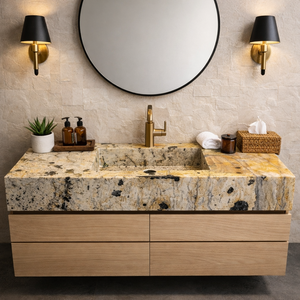
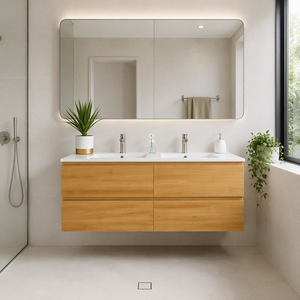
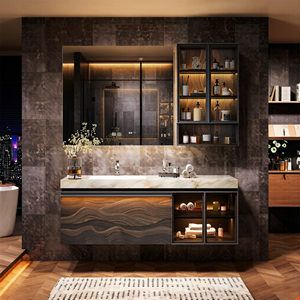
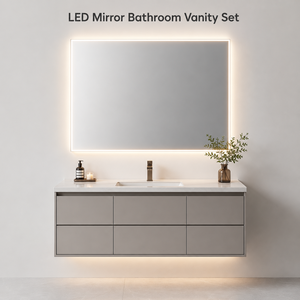
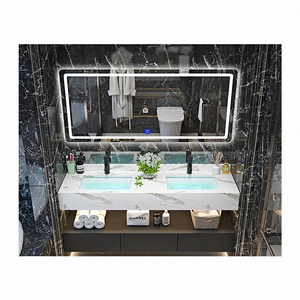
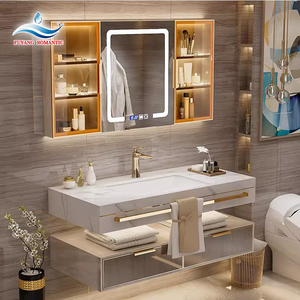
The Southern African HVAC and luxury sanitaryware sectors are undergoing a significant structural shift. As property developers in Gauteng, Western Cape, and KwaZulu-Natal recalibrate their specifications toward energy-efficient, climate-resilient building technologies, the demand for CE Certified Electric Towel Warmers has experienced exponential growth. Modern architectural guidelines prioritize low-wattage, fast-response thermal appliances capable of operating seamlessly within hybrid solar-inverter microgrids while withstanding severe regional humidity and coastal salt-spray environments.
SEO Information Gain Insight: Unlike standard European markets operating on consistent grid supplies, South African procurement requires electric towel racks engineered for high voltage tolerance (230V ±10% at 50Hz), low stand-by wattage for solar compatibility during load-shedding cycles, and advanced PVD anti-corrosion surface coatings designed for coastal microclimates like Cape Town Atlantic Seaboard and Umhlanga Rocks.
South Africa presents dual architectural challenges across its primary economic hubs. Coastal regions—such as Cape Town, Port Elizabeth, and Durban—exhibit ambient relative humidity levels frequently exceeding 80%. In these environments, unheated bathroom textiles become breeding grounds for mold, mildew, and bacterial pathogens. Electric towel warmers deployed in coastal villas and boutique hotels serve a critical hygrothermal function: maintaining towel fabric temperature above the dew point to accelerate moisture evaporation and inhibit fungal growth.
Conversely, inland regions including Johannesburg, Pretoria, and the Drakensberg escarpment experience dry, sub-zero winter nights. In luxury residential estates (such as Sandton, Waterfall City, and Steyn City), electric towel warmers function as supplemental radiant heaters. By utilizing dry carbon-fiber wire heating elements rather than traditional fluid-filled tubes, our units achieve operating temperatures (55°C) within 5 to 8 minutes, consuming up to 45% less power during peak heating cycles.
With load-shedding and off-grid solar-battery systems becoming standard in South African commercial and high-end residential developments, energy efficiency is paramount. Traditional oil-filled towel rails require 150W to 300W to maintain surface heat due to fluid thermal inertia. Our engineered Dry Carbon Fiber Heating Technology operates efficiently between 35W and 75W, providing immediate heat distribution without overloading domestic lithium-iron-phosphate (LiFePO4) battery back-ups or solar inverters.
| Performance Metrics | Dry Carbon Fiber Element (Our Standard) | Fluid-Filled Oil/Hydronic Rails | Traditional Central Heating Racks |
|---|---|---|---|
| Pre-Heating Response Time | 3 - 5 Minutes (Fast Thermal Response) | 25 - 40 Minutes (High Thermal Inertia) | Requires Boiler Cycling |
| Power Draw (Standard 6-Bar) | 40W - 65W (Solar/Inverter Friendly) | 150W - 250W (High Energy Consumption) | Dependent on HVAC System |
| Leakage Risk & Maintenance | Zero Liquid Risk (Solid State Wire) | Fluid Seal Degradation Risk | Pipe Joint Corrosion Potential |
| Coastal Corrosion Resistance | SUS316L / PVD Nano-Coated Stainless | Standard Electroplated Mild Steel | Varies (Prone to Internal Rust) |
| CE & Safety Certifications | CE, LVD, EMC, IPX5 Waterproof | Basic CE Mark | Pressure Vessel Standard |
Engineered to resolve real-world environmental and infrastructural requirements across Southern Africa.
Locations: Cape Town, Camps Bay, Knysna, Ballito
Coastal salt haze corrodes conventional chrome finishes within months. Our 316L marine-grade stainless steel warmers with physical vapor deposition (PVD) gold, matte black, and gunmetal finishes guarantee 10+ years of salt-spray resistance (ASTM B117 tested).
Locations: Kruger National Park, Sabi Sands, Madikwe
Off-grid eco-lodges operating entirely on PV solar arrays require strict load management. Our 12V/24V DC and ultra-low-wattage 230V AC towel warmers integrate effortlessly with smart energy management systems, enabling dry guest luxury with minimal watt-hour impact.
Locations: Rosebank, Sandton, Century City, Umhlanga
Compact luxury apartment layouts demand space-saving, dual-purpose heating. Plug-in and hardwired space-optimized vertical towel warmers offer intelligent 2-8 hour timers, preventing unnecessary power usage while enhancing modern bathroom aesthetics.
Clear, technical answers to common questions asked by South African sanitaryware importers, developers, and electrical wholesalers.
Request factory-direct wholesale pricing, request engineering CAD drawings, or consult with our project engineering team for your upcoming South African development.