Design Ideas & Industry Trends

KubeBath Insights & Journal

Discover buying guides, renovation inspiration, smart toilet features, and expert bathroom care tips.

0%

Pop-Up Sink Drains can make a bathroom sink easier to use while giving the basin a cleaner, more finished look. Press the stopper once to hold water for shaving or hand-washing; press it again to let the water flow away. Simple, when it works.

Unlike a basic lift-rod drain, many pop-up designs use a spring mechanism built into the stopper. That can reduce visible hardware around the faucet and simplify everyday operation. It may also mean fewer awkward parts to adjust beneath the basin. But “easy” depends on the model, sink, and installation. A stopper that sits too high can leave water behind, while a poor seal may allow a slow leak. Small details matter. Hair and soap residue can also collect around the stopper, so routine cleaning is still necessary.

Material and fit deserve a closer look. Brass components often offer a sturdier feel than lightweight plastic, though finish quality and maintenance still affect durability. Check the drain opening, overflow configuration, and manufacturer’s fitting guidance before buying. A bathroom sink with an overflow needs a compatible drain; not every basin has one. The finish should also suit the faucet, but matching colors alone does not guarantee matching tones.

For homeowners planning an update, Pop-Up Sink Drains are a practical option, not an automatic upgrade. Consider how often the sink is used, who will clean it, and whether replacement parts are available. I would not choose by appearance alone. A neat stopper is useful; a dependable seal matters more. Examine the trade-offs before deciding.
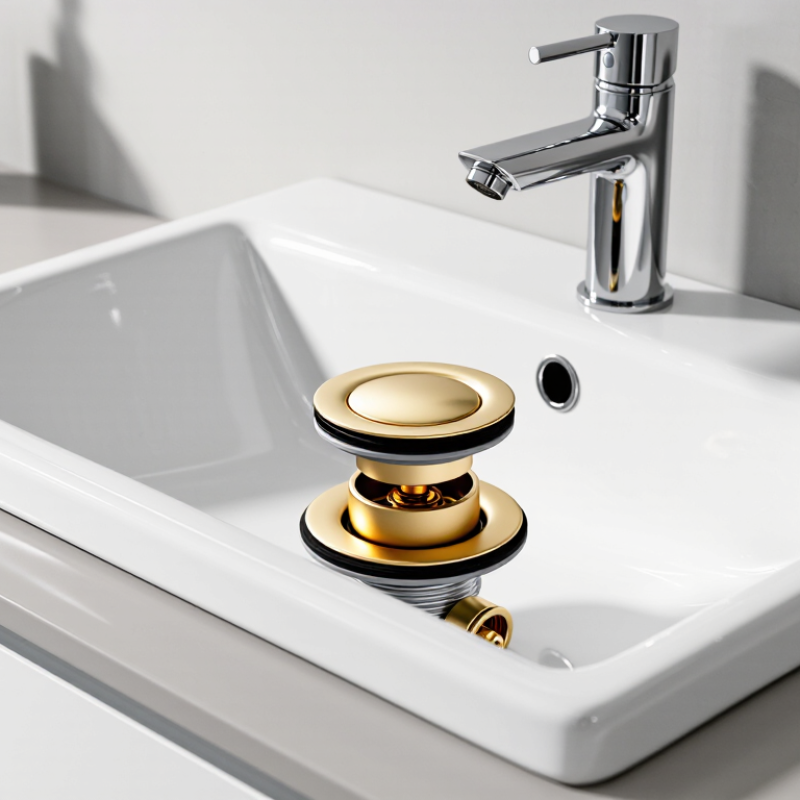
Why Choose Pop Up Sink Drains for Your Bathroom?

What a Pop-Up Sink Drain Is and How Its Mechanism Works

Why Choose Pop Up Sink Drains for Your Bathroom?

What a Pop-Up Sink Drain Is and How Its Mechanism Works

A pop-up sink drain lets you open or close the basin outlet without reaching into the water. In a common design, a small lift rod behind the faucet connects to a pivot rod beneath the sink. Moving the lift rod raises or lowers the stopper. Some models use a push-to-close mechanism instead. The exact parts vary, so check the product instructions before making adjustments.

When closed, the stopper rests against a seal and holds water in the basin. Lift it, and water flows through the drain opening into the trap below. The linkage can collect hair, soap, and toothpaste residue over time. That may slow drainage or make the stopper feel stiff. Pop-up drains are convenient, but they are not maintenance-free. I’ve found that a slightly misaligned pivot rod can also prevent a proper seal, even when the stopper looks clean.

Tips: Remove visible debris regularly and rinse the stopper and drain opening. If water leaks past a closed stopper, inspect the seal and linkage. Keep a small towel handy when loosening parts under the basin; trapped water can spill. If the connection remains loose or drainage problems persist, consult a qualified plumber.

Key Design Features for Everyday Bathroom Use

Why Choose Pop Up Sink Drains for Your Bathroom?

Key Design Features for Everyday Bathroom Use

A pop-up sink drain lets you open or close the basin with a simple press. That small action can be easier than reaching for a separate plug, especially when your hands are wet. Look for a smooth, steady mechanism; a stiff stopper quickly becomes annoying. The visible cap also shapes the sink’s appearance, so choose a finish that suits nearby taps and is practical to wipe clean.

Fit matters more than appearance alone. Check the drain opening, tailpiece size, and whether your sink has an overflow hole. Some drains are made for overflow sinks, while others are not interchangeable. A gasket should sit evenly beneath the basin to help prevent leaks. Installation can seem straightforward, but cramped cabinet space may make tightening the fitting awkward. It is worth checking for drips after use, not just right after installation.

Tips: Lift the stopper now and then to clear hair and soap residue. A quick wipe helps prevent buildup. Don’t force a stuck mechanism; inspect its linkage or seal instead.

Benefits Compared with Other Sink Drain Types

A pop-up sink drain closes with a lift rod or push mechanism, letting you hold water in the basin without reaching below it. Compared with a fixed grid drain, it offers more control for hand-washing small items or rinsing a shaving brush. A lift-and-turn drain can also seal the basin, but requires handling the stopper directly. Small detail: convenience matters at a wet sink.

The U.S. EPA’s WaterSense program reports that household leaks waste nearly 1 trillion gallons of water annually nationwide. That figure is not specific to sink drains, but it highlights why reliable seals matter. A pop-up stopper’s seal should be checked if water slowly escapes; worn washers or debris can interfere. The mechanism also has moving parts, so hair and soap residue may need occasional cleaning. A fixed drain is simpler and may suit households that rarely fill the basin. Pop-ups are not universally better. Their value depends on how you use the sink, the drain’s fit, and whether you are willing to maintain the linkage. Sources: U.S. EPA WaterSense, Fix a Leak Week resources.

Why Choose a Pop-Up Sink Drain? Benefits Compared with Other Drain Types

How to read the chart: 1 means the feature is typically present; 0 means it is typically absent. A pop-up drain is commonly controlled by a lift rod at the faucet and can close the drain to hold water. Its linkage beneath the sink may require adjustment. Designs vary by model.

Factors to Consider When Choosing a Pop-Up Drain

Why Choose Pop Up Sink Drains for Your Bathroom?
Factors to Consider When Choosing a Pop-Up Drain

A pop-up drain lets you open or close the sink without reaching into standing water. The right model should fit your basin, seal reliably, and suit your daily routine. Check the drain opening and the basin’s overflow hole before buying. Some sinks have an overflow channel; others do not. A mismatched drain may leak or fail to seal properly. Small details matter.

Material affects appearance and upkeep. Chrome-plated finishes are easy to wipe, while stainless steel may suit a simpler look. Check that the drain body and gasket fit your sink thickness. Also consider how the stopper operates. A push-button style keeps the counter uncluttered, while a lift rod may be easier to adjust. Cleaning access is worth checking, too. Hair and soap residue collect around the stopper, even in a tidy bathroom. I once underestimated that.

Tips: Measure twice, including the drain opening and overflow. Follow the installation instructions, and hand-tighten fittings before testing for leaks. Run water for a minute and inspect beneath the basin. If the seal still seeps, stop and recheck the gasket position.

Installation, Cleaning, and Ongoing Maintenance

A pop-up sink drain should sit squarely in the basin opening, with its stopper moving freely before the plumbing is tightened. Clear the space beneath the sink and place a bowl under the trap; a little residual water often escapes. Remove the old drain, then wipe away residue from the basin and drainpipe. Use the sealant or gasket specified for the drain and sink materials. Tighten the locknut firmly, but not so hard that it shifts the fitting or damages a gasket. One small detail is easy to miss: connect and adjust the lift rod so the stopper opens fully.

Run water while watching the connections with a dry paper towel. Even a slow leak leaves a mark. If the pop-up mechanism catches, loosen the linkage and adjust it rather than forcing the stopper. The exact assembly varies, so the maker’s instructions matter, especially with stone or delicate finishes.

For routine cleaning, lift out the stopper if the design allows. Remove hair and soap film with a soft brush, then rinse the drain and stopper. Avoid sharp tools and harsh cleaners unless the finish instructions permit them. They can scratch surfaces or wear seals. Check the moving parts and connections every few months; replace a worn gasket when needed. It is easy to postpone this check, but a small drip can damage the cabinet below.

Why Choose Pop Up Sink Drains for Your Bathroom? - Installation, Cleaning, and Ongoing Maintenance

Topic Typical details Why it matters Practical care or caution
How it works A stopper opens or closes the drain when operated by a lift rod or by pressing the stopper, depending on the design. Lets you retain water for washing or release it without handling a separate loose plug. Check that the drain style is compatible with the sink and faucet arrangement.
Fit and compatibility Drain opening size, sink thickness, overflow opening, and tailpiece connections can vary. Confirming measurements helps avoid leaks or a stopper that does not seat properly. Measure the existing assembly and check the sink’s overflow configuration before purchase.
Installation overview Remove the old drain, clean the sink opening, fit the new assembly and seal, then reconnect the tailpiece and trap. A correctly seated seal and aligned connections help prevent water leaks. Follow the drain’s instructions for sealant and tightening; overtightening can damage parts or seals.
Leak check after installation Run water and inspect around the drain flange, connections, and trap. Fill the basin briefly, then release the water. Testing both draining and holding helps reveal sealing or stopper issues. If a connection leaks, stop using the sink until it is safely tightened or resealed.
Routine cleaning Wipe the stopper and drain opening regularly with a soft cloth and mild soap; rinse away residue. Helps limit soap film, toothpaste residue, and visible buildup. Avoid abrasive pads and cleaners that may scratch or damage the sink or drain finish.
Hair and debris removal Hair and soap residue can collect around the stopper and contribute to slow drainage. Clearing accessible debris can restore normal flow and reduce odors from trapped residue. Remove the stopper only as its design allows; use gloves and avoid forcing stuck components.
Mechanism adjustment On lift-rod models, the linkage may need adjustment if the stopper will not open fully or seal evenly. Correct alignment helps the stopper move smoothly and close against the drain seat. Make small adjustments and check operation; consult the product instructions if the linkage is unclear.
Ongoing inspection Periodically check for drips, loose connections, worn seals, sluggish movement, or a stopper that no longer holds water. Early attention can help prevent water damage and keep the drain working reliably. Replace worn seals or damaged parts with compatible components; seek plumbing help if a leak persists.

FAQS

What is a pop-up sink drain?

It opens or closes the basin outlet using a stopper. This lets you hold water or drain the basin without reaching into it.

How does the stopper move?

Many designs connect a lift rod behind the faucet to a pivot rod beneath the sink. Moving the lift rod raises or lowers the stopper. Some models use a push-to-close mechanism.

Why might the stopper fail to hold water?

The seal may be worn, or the linkage may be misaligned. I used to blame dirt alone, but alignment can be the real issue.

How can I check whether a drain will fit?

Check the drain opening, tailpiece size, and whether the sink has an overflow hole. Some drains are not interchangeable.

What should I do if the drain mechanism feels stiff?

Remove visible hair and soap residue, then inspect the linkage and seal. Don’t force it. That can make the problem worse.

How should I check for leaks after installation?

Run water and inspect the connections beneath the basin with a dry paper towel. A slow drip can leave a mark. Keep a bowl nearby; a little water may escape.

How do I clean a pop-up drain?

Lift out the stopper if its design allows. Use a soft brush to remove hair and soap film, then rinse the parts.

How often should I inspect the drain?

Check its moving parts and connections every few months. Replace a worn gasket when needed. It’s easy to put off, but cabinet damage is frustrating.

Conclusion

Pop-Up Sink Drains offer a simple, convenient way to control water flow in a bathroom sink. A stopper sits inside the drain opening and moves up or down through a connected lift mechanism, allowing you to fill the basin or release water without removing the stopper by hand. Their streamlined design can complement many bathroom styles, while the easy-to-operate mechanism makes them practical for everyday use.

Compared with basic open drains or removable stoppers, pop-up designs can make routine use more convenient and help keep the basin ready for washing or soaking. When choosing one, consider the sink’s drain size, the stopper mechanism, material, finish, and compatibility with the plumbing. Proper installation helps prevent leaks and ensures smooth operation. Regularly removing hair and residue, cleaning the stopper and drain, and checking connections can keep the drain working reliably over time.


Elliot

Elliot

Elliot is a professional marketing specialist with a strong understanding of product strategy, customer needs, and digital communication. As a key contributor to the company’s content team, he regularly updates the corporate website with practical, well-researched blog articles that help readers......