Discover buying guides, renovation inspiration, smart toilet features, and expert bathroom care tips.
Bathroom Body Jets can turn an ordinary shower into a more focused, spa-like experience. For buyers, however, the small details matter: spray pattern, nozzle placement, water pressure, finish quality, and access for cleaning. A polished showroom display is not enough. Ask how each jet performs in a complete system, not in isolation.
The 2024 U.S. Houzz Bathroom Trends Study reported a median spend of $15,000 for major bathroom remodels, up from $13,500 in 2022. That figure describes U.S. renovation spending, not body-jet sales, but it shows why buyers compare performance and value carefully. The NKBA’s 2024 Kitchen & Bath Market Outlook offers broader context on kitchen and bath industry conditions. Neither report should be treated as a product test. Buyers still need clear specifications, sample finishes, warranty terms, and reliable factory communication.
There is one sourcing limitation. No source articles or verifiable expert quotation were supplied, so attributing a quotation to a named Bathroom Body Jets specialist would risk inventing authority. That is not a detail to gloss over. This guide therefore focuses on evidence buyers can check: manufacturing experience, material descriptions, pressure requirements, quality-control records, and after-sales support. When comparing China-based manufacturers, request product drawings and confirm that the quoted configuration matches the unit being tested. A careful comparison takes time. It can also expose gaps that a glossy catalog hides.
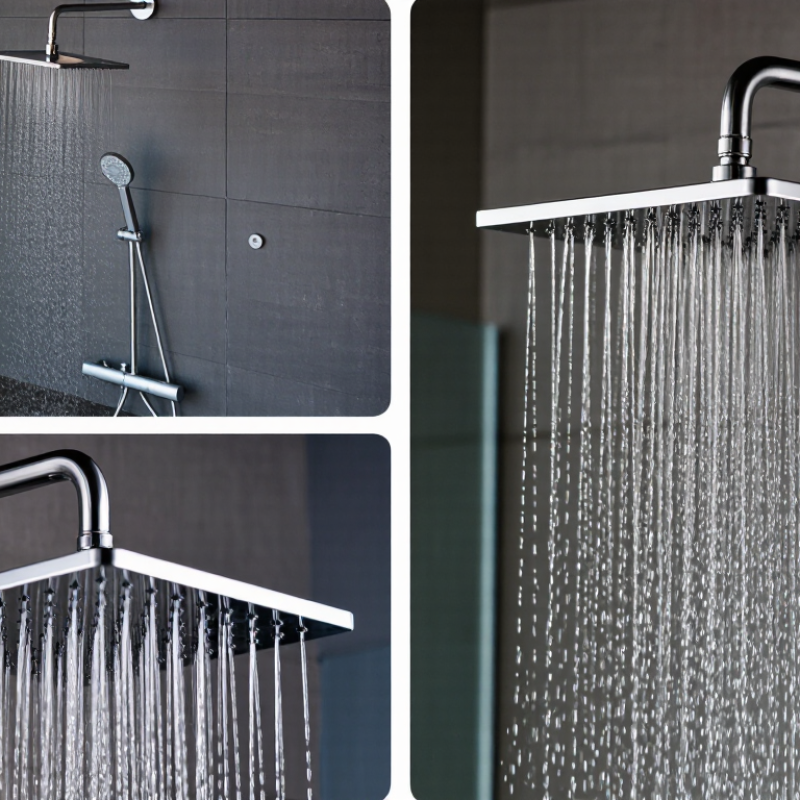
Bathroom body jets are compact outlets fitted into a shower wall, often arranged at waist, back, or shoulder height. A mixer valve blends hot and cold water, while a diverter directs the flow to the jets, overhead shower, or hand shower. When several jets run together, they share the available water supply. Pressure can feel uneven if the pipework or valve is poorly sized.
The U.S. EPA’s WaterSense Specification for Showerheads sets a maximum flow rate of 2.0 gallons per minute, compared with the federal showerhead standard of 2.5 gallons per minute. This is a useful efficiency benchmark, not a rating for body jets. Jet performance also depends on nozzle design, operating pressure, and how many outlets run at once. Small details matter.
For buyers, check the product’s stated flow rate and the system’s minimum pressure requirements. A simple test is to run the outlets together and watch whether the spray stays steady. A catalog image cannot show that. Real installations vary, and even a well-designed layout may feel too forceful or too weak for some users. That trade-off deserves attention.
| Topic | What It Is | How It Works | What Buyers Should Check |
|---|---|---|---|
| Bathroom body jets | Small shower outlets installed in a wall or shower panel, designed to direct water onto the body. | Water reaches the jets through the shower’s pipework and exits through their nozzles. The spray pattern depends on the jet design and water pressure. | Confirm the intended installation method, compatible plumbing connections, and whether the product is suitable for the planned shower layout. |
| Water supply and pressure | The supply system provides the water flow and pressure needed by the shower outlets. | When multiple outlets run at once, they share the available supply. Flow at each outlet can change with system capacity, pipe sizing, and operating pressure. | Check the jet’s stated operating requirements and flow rate, then have a qualified installer assess whether the home’s supply can support the intended number of outlets. |
| Controls and diverters | Valves and controls regulate water temperature, flow, and which shower outlets are active. | A diverter directs water between compatible outlets; a mixing valve combines hot and cold water to set the delivery temperature. | Verify that the control system supports the required outlets and that its installation requirements match the plumbing design. |
| Jet arrangement | The number, height, spacing, and direction of jets determine where the sprays reach. | Each jet points water from its wall position toward the user. The final coverage depends on the outlet’s angle, spray shape, and the user’s position. | Plan the layout around the users and shower dimensions. Check any product-specific installation measurements before wall finishes are installed. |
| Materials and finish | Body jets are made from materials selected for water contact, appearance, and the intended installation environment. | The body and finish form the visible outlet and must be installed according to the product’s instructions to maintain a secure connection. | Request material and finish specifications, cleaning guidance, and confirmation of compatibility with the shower’s water conditions. |
| Cleaning and maintenance | Regular care helps keep the nozzle and visible surfaces clean and functioning as intended. | Mineral deposits may build up around water outlets, especially where the water is hard. Cleaning methods depend on the materials and product design. | Check whether the nozzles are accessible for cleaning and follow the supplied care instructions. Avoid cleaners not approved for the finish. |
| Installation and leak prevention | Body jets are connected to concealed or exposed plumbing, depending on the system design. | Correct connections, sealing, and testing help prevent leaks. Concealed pipework should be checked before the wall is closed or tiled. | Confirm connection details, installation instructions, and required access for servicing. Use a qualified plumbing professional where appropriate. |
| Manufacturer evaluation | A reliable supplier should provide clear product information and support for the intended market. | Product specifications, quality checks, documentation, and after-sales processes help buyers assess suitability before ordering. | Compare technical drawings, material details, applicable compliance documents, warranty terms, sample quality, lead times, and spare-parts availability. Confirm requirements for the destination country. |
They are compact outlets fitted into shower walls, often positioned near the waist, back, or shoulders.
A mixer valve blends hot and cold water. A diverter sends water to the jets, overhead shower, or hand shower.
Several outlets share the available water supply. Poorly sized pipes or valves can weaken or unevenly distribute the spray.
Check the stated flow rate, minimum pressure requirement, nozzle design, and number of outlets intended to run at once.
Run the outlets together and watch for a steady spray. A catalog image cannot show this.
Look at nozzle alignment, finish consistency, and how easily mineral deposits can be cleaned. A polished sample may not match every production unit.
Request material information, flow-rate data, connection drawings, and inspection records for the exact model. Agree on defect tolerances in writing.
No. They can clarify production processes, but they cannot guarantee every shipment will be identical. I may be overchecking this, but written records help.
Confirm packaging, spare-nozzle availability, and delivery schedules. Leave room for changes; project assumptions sometimes prove wrong.
Bathroom Body Jets deliver targeted water streams through wall-mounted outlets, allowing users to adjust the direction and intensity of the spray for a more personalized shower. Buyers comparing products should consider materials, finish, nozzle design, water-flow performance, ease of cleaning, installation requirements, and compatibility with the planned plumbing system. These details affect both everyday comfort and long-term maintenance.
China’s bathroom body jet manufacturing sector includes suppliers with different production capabilities, customization options, and quality-control processes. To choose a suitable manufacturer, buyers can review its product range, technical documentation, communication, and experience with comparable orders. Before committing, verify factory capabilities, request samples, confirm applicable quality and compliance documents, and clarify specifications, packaging, lead times, payment terms, and inspection arrangements. A careful evaluation helps align product performance and ordering expectations with the project’s needs.