Discover buying guides, renovation inspiration, smart toilet features, and expert bathroom care tips.
Choosing the right shower fixture can change an ordinary morning into a more comfortable routine. Multifunction Handheld Shower Heads offer several spray settings, flexible positioning, and easier cleaning for many households. Yet more features do not always mean better performance.
A reliable choice begins with practical details. Check the hose length, handle weight, spray control, and connection size before comparing appearance. A lightweight handle may suit children or older users, while a longer hose can reach a seated position more easily. Look closely at the spray buttons, too. They should move smoothly, even with wet fingers.
Water pressure matters. A shower head designed for strong flow may feel disappointing in a low-pressure home. Look for clear specifications and realistic user feedback. Materials also deserve attention. Stainless steel hoses and easy-clean silicone nozzles often simplify maintenance, but they still need regular wiping. Small mineral deposits can change the spray pattern.
These seven tips focus on comfort, durability, water use, and everyday control. They also consider installation, maintenance, and household needs. A product can look impressive online and still feel awkward in hand. That is easy to overlook. I have found that the best choice is rarely the one with the most settings. It is the one that performs consistently during a hurried morning, a relaxing evening, or a careful rinse after cleaning. Always verify compatibility before purchase, because even a well-reviewed model may not fit every bathroom connection.
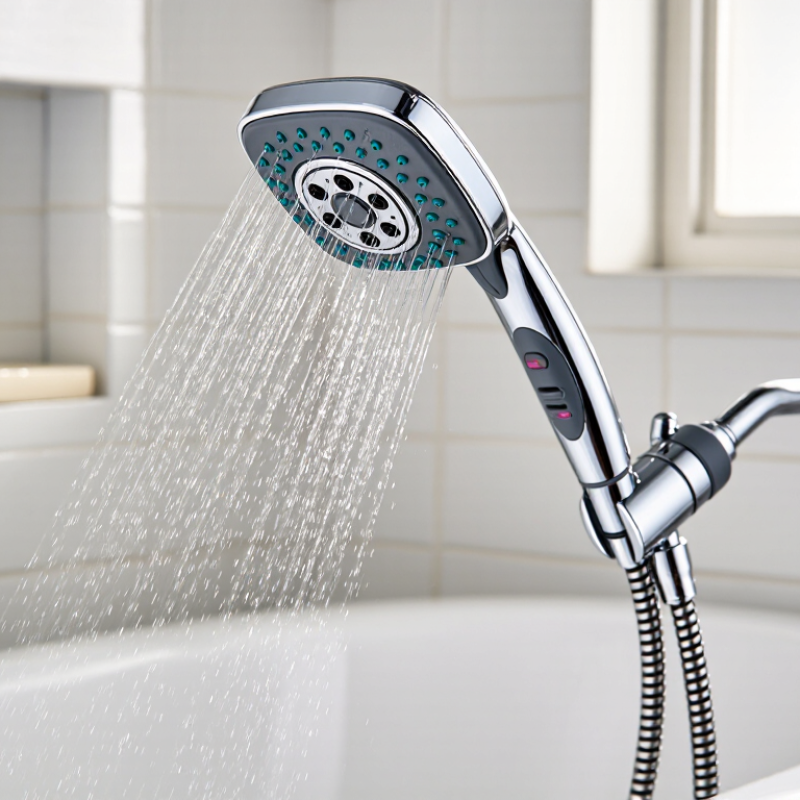
Choosing a multifunction handheld shower head starts with your daily routine, not the number of spray settings. Do you rinse thick hair, wash children, or clean the shower floor? A long hose can improve reach, especially for seated users or people with limited mobility. Measure your current connection and check household water pressure before buying. More functions cannot compensate for weak flow.
Rain spray feels gentle and spreads water across the shoulders. Massage spray creates stronger, focused streams for tired muscles, but it may feel too sharp on sensitive skin. Mist settings use very fine droplets and can feel refreshing, although they sometimes cool quickly. A concentrated rinse helps remove shampoo from dense hair. The pause feature is useful while soaping, but it may not stop water completely on every model.
I once chose a shower head because its settings looked impressive. I rarely used half of them. That was a poor decision. Think about your real habits and choose two or three functions you will use often. Test the control buttons with wet hands if possible. They should feel clear and easy to switch. Flexible silicone nozzles can make mineral buildup easier to remove, but they still need regular cleaning. Personal comfort matters more than a crowded feature list.
7 Tips for Choosing Multifunction Handheld Shower Heads
Water pressure should be checked before choosing spray settings. Measure flow at the shower outlet with a one-gallon container and a timer. If it fills in 30 seconds, the flow is about 2.0 gallons per minute. The U.S. EPA WaterSense Showerheads Specification limits qualifying models to 2.0 gallons per minute or less at 80 psi. Lower pressure can weaken massage and mist settings. More spray options do not always mean better performance. That assumption deserves questioning.
Hose length affects comfort, reach, and storage. A 60-inch hose suits many standard showers, while 69 or 72 inches may help taller users or seated bathing. Avoid excessive length if it coils across the floor. The U.S. EPA WaterSense Showerheads Fact Sheet estimates that an average household can save about 2,700 gallons of water yearly by replacing older showerheads. Those savings depend on actual use and pressure. Real homes are less predictable.
Installation compatibility matters before purchase. Check the outlet thread, diverter arrangement, holder position, and available clearance. Most handheld systems use common plumbing connections, but older fittings can differ. A pressure-balancing valve may also affect temperature stability. The International Code Council’s plumbing guidance emphasizes approved fittings and protection against backflow. Do not force a connection. A small leak can become expensive. I would recheck the seal after the first shower, because “hand-tight” is not always enough.
Choosing a multifunction handheld shower head starts with materials, not the number of spray settings. Look for corrosion-resistant stainless steel or sturdy ABS with a smooth, even finish. Metal often feels solid, but it can be heavier during a long shower. Quality ABS is lighter and may suit children or older users. Check the hose connection and spray plate closely. Threads should turn cleanly, without wobbling. Small gaps can collect mineral scale. That matters.
Handle design affects control more than glossy appearance. A gently textured grip is easier to hold with wet, soapy hands. Choose a balanced handle that does not pull your wrist downward. Large buttons may help users with limited finger strength, while a stiff selector can become frustrating quickly. I once tested a model with many settings, yet changing modes required both hands. It looked versatile, but it was not practical. A pause switch can reduce water waste, although its position should be easy to reach without twisting.
Ease of use includes installation, cleaning, and daily adjustment. The diverter should move clearly, and the hose should bend without sharp kinks. Removable silicone nozzles make mineral buildup easier to clear. Test the spray pattern at different angles if possible. A strong massage setting can feel useful, but it may be uncomfortable for sensitive skin. Read the care instructions, and do not assume every finish tolerates abrasive cleaners. I still prefer simple controls; more functions sometimes create more chances for failure. A careful choice balances grip, weight, maintenance, and real bathroom habits.
Spray settings should match real routines, not just look impressive. A wide rain pattern feels gentle on tired shoulders. A concentrated jet rinses shampoo faster. Pause controls can reduce waste, but they may lower temperature unexpectedly. Test each setting with wet hands before buying. I learned this the hard way. Some switches become slippery and awkward during use. A useful handheld hose should also reach the floor, wall, and corners without pulling.
Water efficiency deserves measurable attention. The U.S. Environmental Protection Agency’s WaterSense specification limits labeled showerheads to 2.0 gallons per minute, compared with the federal maximum of 2.5 gallons. EPA estimates that an average family can save about 2,700 gallons of water yearly by replacing older showerheads. The U.S. Department of Energy also reports that water heating accounts for nearly 20% of household energy use. Strong pressure is still possible, but performance depends on pipe pressure and nozzle design. Marketing claims alone are not enough.
Cleaning features can protect performance over time. Flexible silicone nozzles help remove mineral buildup with a simple finger wipe. Removable screens make deeper cleaning easier, especially in hard-water homes. The EPA’s WaterSense showerhead criteria also consider spray force, coverage, and flow consistency, not efficiency alone. Check those details in the technical sheet. A self-cleaning label may sound convincing, yet it does not replace regular maintenance. I would inspect the nozzle after several weeks, because first impressions can be misleading.
Choosing a multifunction handheld shower head requires more than counting spray settings. I check grip, hose flexibility, selector resistance, and temperature stability during a realistic shower. Safety comes first. The U.S. Environmental Protection Agency’s WaterSense showerhead fact sheet sets a maximum flow rate of 2.0 gallons per minute, below the federal 2.5-gallon limit. EPA estimates that an average family can save about 2,700 gallons yearly with an efficient replacement. Look for clear flow labeling, a secure wall bracket, and a textured handle.
Tip: Test the dock with wet hands.
Durability depends on details that product photos often hide. Inspect metal connections, hose strain relief, thread quality, and the diverter’s movement. Plastic is not automatically weak, but brittle threads and thin seals deserve caution. ASME A112.18.1/CSA B125.1 is a useful reference for plumbing supply fittings. Still, certification does not guarantee perfect installation. Ask whether washers, filters, and hoses are replaceable. Read the warranty’s exclusions, labor limits, and claim process. A long warranty means little when proof requirements are unreasonable.
Tip: Save the receipt and installation instructions.
Overall value combines water savings, comfort, repairability, and service support. The U.S. Department of Energy notes that hot-water use affects household energy consumption, so flow reduction may lower heating demand. Pressure can vary greatly in older homes. I once favored an impressive massage setting, but rarely used it afterward. That was poor value judgment. Compare the purchase price with replacement parts and expected use. Seven modes are not automatically better.
Tip: Choose the settings your household will actually use.
Place a one-gallon container under the outlet. Start a timer. If it fills in 30 seconds, flow is about 2.0 gallons per minute. Lower flow may weaken massage or mist settings.
A 60-inch hose suits many standard showers. A 69- or 72-inch hose helps taller users or seated bathing. Avoid excessive length if it coils across the floor. That creates a tripping problem.
Check the outlet thread, diverter, holder position, and surrounding clearance. Older fittings may differ. Do not force the connection. Recheck the seal after the first shower, because hand-tight connections can still leak.
A wide spray feels gentle on tired shoulders. A concentrated jet rinses shampoo quickly. A pause control may reduce water use, but temperature can change suddenly. More settings do not always mean better value.
Look for clear flow labeling near 2.0 gallons per minute or less. Lower flow can reduce water heating demand. Actual savings depend on pressure, shower length, and household habits. The numbers are not magic.
Flexible silicone nozzles allow quick mineral removal with a finger wipe. Removable screens support deeper cleaning in hard-water homes. Inspect the nozzles after several weeks. A self-cleaning claim does not replace maintenance.
Choose a textured handle, secure wall bracket, flexible hose, and stable selector. Inspect metal connections, thread quality, seals, and hose strain relief. Test the dock with wet hands. Slippery parts are easy to underestimate.
Compare comfort, water use, repairability, replacement parts, and warranty conditions. Count the settings you will actually use. I once preferred an impressive massage mode, but rarely used it. That was poor judgment.
Choosing the right Multifunction Handheld Shower Heads begins with understanding your daily showering needs. Consider whether you prefer a gentle spray, focused massage, wide coverage, or several options for different users. Before buying, check your home’s water pressure, the hose length, and whether the shower head will fit your existing connection. A comfortable handle, lightweight construction, and easy-to-use controls can make a significant difference, especially for children, older adults, or anyone who needs greater flexibility.
It is also important to compare spray settings, water efficiency, and cleaning features. Nozzles that resist buildup can simplify maintenance, while efficient flow options may help reduce water use without sacrificing comfort. Finally, examine the materials, durability, safety features, warranty coverage, and total value rather than focusing only on the initial price. A well-designed shower head should provide reliable performance, convenient operation, and long-term comfort.