Design Ideas & Industry Trends

KubeBath Insights & Journal

Discover buying guides, renovation inspiration, smart toilet features, and expert bathroom care tips.

0%

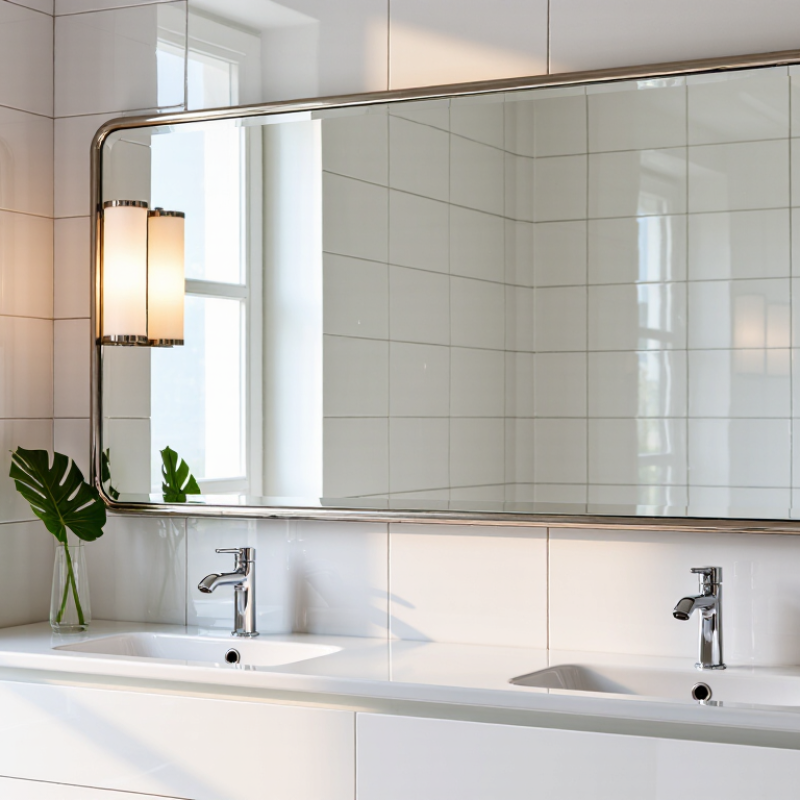
Framed Vanity Mirrors bring more than reflection to a bathroom, bedroom, or dressing area. They combine practical grooming with a defined visual structure. The frame can be slim and metallic, warm like natural wood, or bold enough to become the room’s focal point. Size matters. A mirror that is too narrow may leave the face partly outside the useful viewing area. One that is too large can overwhelm a compact wall.

Interior-design authority Nate Berkus offers a useful principle: “Your home should rise up to greet you.” That idea applies directly to Framed Vanity Mirrors. A carefully selected mirror can make a morning routine feel calmer and more organized. It can also bounce window light across pale tiles, brighten darker corners, and support a balanced vanity layout. The effect is practical, not magical.

Details deserve attention. Check the wall width, lighting position, mounting height, and frame material before purchasing. Moisture-resistant finishes are especially important in bathrooms. Some framed mirrors may look attractive online but feel visually heavy in person. That is an honest limitation. Personal taste also changes over time.

This article examines what Framed Vanity Mirrors are, how they differ from frameless designs, and where they work best. It also considers proportions, installation choices, lighting, maintenance, and common buying mistakes. The goal is not to promote one style. It is to help readers make a confident choice for their actual space, habits, and budget.
What Are Framed Vanity Mirrors and How Are They Used?

What Defines a Framed Vanity Mirror

A framed vanity mirror is a reflective panel enclosed by a visible border, usually made from wood, metal, resin, or moisture-resistant composite. The frame separates it from a frameless mirror, where the glass meets the wall directly. This border is not merely decorative. It adds visual weight, protects vulnerable glass edges, and helps connect the mirror with the vanity, lighting, and cabinet hardware.

The 2024 U.S. Bathroom Trends Study by Houzz reported that 78% of renovating homeowners upgraded their vanity cabinets. That figure shows why mirror selection should be treated as part of the vanity design, not an afterthought. A narrow frame can suit a compact powder room. A deeper, textured frame can make a wide double-sink wall feel more structured. In daily use, the mirror supports shaving, skincare, makeup application, and grooming. It also reflects light across darker tile surfaces.

Installation details define performance. A bathroom professional should check wall moisture, mounting strength, mirror height, and clearance from faucets. The frame must tolerate humidity without swelling, staining, or loosening. The National Kitchen & Bath Association’s 2024 Design Trends Report identifies layered lighting and improved bathroom functionality as continuing priorities. A framed vanity mirror works best with even side lighting, rather than one harsh ceiling fixture. Still, proportion is easy to misjudge. A beautiful frame can feel crowded above a shallow basin. Measure twice. Then question the first layout.

Key Materials and Frame Design Options

Framed vanity mirrors combine a reflective glass panel with a protective decorative border. The frame affects style, weight, moisture resistance, and installation safety. In my bathroom projects, aluminum works well in humid rooms because it resists rust and stays relatively light. Stainless steel offers stronger corrosion resistance, but its surface can show fingerprints. Solid wood feels warmer, yet it needs sealed edges and careful ventilation.

Engineered wood with laminate can control costs and provide stable dimensions. Natural stone frames create a substantial, tailored appearance, although they add wall load and may require stronger anchors. The U.S. Environmental Protection Agency recommends keeping indoor humidity between 30% and 50%, while preventing levels above 60%. That guidance matters because trapped moisture can swell wood substrates and damage weak coatings. The choice is not purely visual. A glossy black frame may look refined, but it can reveal water spots quickly.

Tips: Match frame depth with the vanity’s countertop projection. Leave clearance for cabinet doors and wall sconces. For a small bathroom, use a thin metal frame to preserve visual space. For traditional rooms, a beveled wood profile adds shadow and texture. Check the manufacturer’s mounting capacity, then anchor into studs when possible. The 2024 Houzz U.S. Bathroom Trends Study shows continued homeowner investment in bathroom upgrades, but trend data cannot replace a site inspection. I would still test the finish sample beside the sink. Colors often change under warm lighting.

What Are Framed Vanity Mirrors and How Are They Used? - Key Materials and Frame Design Options

Category Option or Feature Typical Materials Key Characteristics Common Vanity-Mirror Applications Care and Installation Notes
Mirror Function Framed vanity mirror Silver-backed or aluminum-backed glass with a separate surrounding frame The frame protects and visually finishes the mirror edges while adding a decorative element to the room. Bathrooms, bedrooms, dressing areas, entryways, and makeup stations Measure the wall and available clearance before installation. Use suitable wall anchors for the mirror's total weight.
Mirror Glass Standard clear mirror glass Float glass with a reflective metallic backing and protective coating Provides a clear reflection and is widely available in rectangular, square, round, and arched shapes. General grooming, shaving, hairstyling, and daily makeup application Clean with a soft, lint-free cloth. Avoid allowing liquid to collect along the edges, where moisture may damage the backing.
Safety Safety-backed or tempered mirror construction Tempered glass or mirror glass with a safety film backing Offers improved resistance to impact or helps retain fragments if the glass breaks, depending on the construction. Family bathrooms, commercial washrooms, rental properties, and high-traffic areas Follow the manufacturer's handling and mounting instructions. Tempered glass cannot normally be cut after treatment.
Frame Material Solid wood Hardwood or softwood with paint, stain, or clear protective finish Creates a warm, natural appearance and can complement traditional, farmhouse, transitional, or Scandinavian interiors. Residential bathrooms and bedrooms with wood cabinetry or natural finishes Use a moisture-resistant finish and maintain adequate bathroom ventilation to reduce swelling, warping, and finish deterioration.
Frame Material Medium-density fiberboard (MDF) Engineered wood fibers with laminate, paint, veneer, or decorative foil Provides a smooth, uniform surface and is often easier to shape than solid wood. Painted frames, minimalist interiors, and cost-conscious bathroom projects Sealed edges are important in humid rooms because unprotected MDF can absorb moisture and swell.
Frame Material Aluminum Extruded or formed aluminum with anodized, brushed, painted, or powder-coated finishes Lightweight, corrosion-resistant, and suitable for clean, modern frame profiles. Contemporary bathrooms, minimalist interiors, and humid environments Use non-abrasive cleaners to protect anodized or coated surfaces. Confirm that mounting hardware supports the frame design.
Frame Material Stainless steel Stainless steel sheet, tubing, or trim with polished, brushed, or matte finish Offers a durable, moisture-resistant surface with a contemporary or industrial appearance. Modern bathrooms, hospitality spaces, and high-use vanity areas Wipe water spots promptly. Avoid chlorine-based or highly abrasive cleaners that may affect the finish.
Frame Material Plastic or resin composite ABS plastic, PVC, polyurethane, or resin-based molded material Can imitate wood or metal while remaining relatively lightweight and resistant to moisture. Budget-friendly bathrooms, lightweight wall installations, and decorative designs Check the product's heat and moisture limits. Avoid strong solvents that may discolor or soften the surface.
Frame Design Flat-profile frame Wood, MDF, aluminum, steel, or composite material Uses a simple, low-relief border for a streamlined appearance and easy coordination with modern interiors. Minimalist bathrooms, small vanities, and spaces where visual simplicity is preferred Leave enough clearance for cabinet doors, faucets, sconces, and other items around the mirror.
Frame Design Beveled or stepped frame Layered wood, molded composite, metal trim, or shaped architectural profiles Adds depth and shadow lines, creating a more substantial decorative effect than a flat frame. Traditional, transitional, classic, and formal bathroom designs Inspect corners and joints carefully. More detailed profiles may require additional dusting and careful cleaning.
Frame Design Round or oval frame Wood, metal, resin, or composite material Softens rooms dominated by straight lines and can create a focal point above a vanity. Single-sink vanities, compact powder rooms, and contemporary or classic interiors Center the mirror with the basin and confirm that the curved outline does not interfere with lighting placement.
Frame Design Arched-top frame Wood, MDF, metal, or composite material Combines a vertical rectangular body with a curved upper section for a distinctive architectural look. Transitional, Mediterranean-inspired, traditional, and statement bathroom designs Allow sufficient wall height above the vanity and check that the arch aligns with surrounding cabinets or lighting.
Frame Design Recessed or channel frame Aluminum, stainless steel, wood, or composite channel sections Holds the mirror within a defined border and can create a neat, integrated appearance. Built-in vanities, contemporary bathrooms, and coordinated wall installations Plan the frame depth and mounting method carefully, particularly when the mirror is installed close to tile or wall panels.
Frame Finish Painted finish Water-based or solvent-based coating over wood, MDF, metal, or composite material Provides a broad range of colors and can coordinate with cabinetry, wall color, or bathroom hardware. Custom-looking interiors, colorful bathrooms, and coordinated furniture schemes Prevent standing water and use a soft cloth to minimize scratching or premature finish wear.
Frame Finish Natural wood or wood-look finish Stained wood, wood veneer, laminate, or printed decorative surface Adds visual warmth and texture while supporting rustic, organic, Scandinavian, and transitional styles. Vanities with wood cabinetry, neutral bathrooms, and nature-inspired interiors Use finishes rated for humid areas and maintain ventilation to limit moisture-related movement.
Frame Finish Brushed, polished, or matte metal finish Aluminum, stainless steel, or other corrosion-resistant metal with surface treatment Creates different levels of reflectivity and can coordinate with faucets, lighting, towel bars, and cabinet hardware. Modern, industrial, minimalist, and hotel-style vanity areas Clean in the direction of a brushed grain where applicable and avoid abrasive pads.
Lighting Backlit or edge-lit framed mirror Mirror glass, LED modules, diffuser, wiring, and a moisture-suitable enclosure Provides soft ambient illumination and can reduce shadows when the lighting is positioned evenly. Makeup application, grooming, modern bathrooms, and low-light vanity areas Electrical installation should follow local codes. Select an appropriately rated product for the bathroom zone and moisture level.
Mounting Wall-mounted installation Cleats, brackets, D-rings, French cleats, or manufacturer-specified hardware Offers a stable and space-efficient installation above a vanity or washbasin. Most residential and commercial vanity mirror installations Locate studs where possible, use anchors suitable for the wall type, and verify level alignment before final tightening.
Selection Criteria Size and proportion Varies according to mirror glass, frame width, vanity width, and wall layout A well-proportioned mirror improves usability and helps balance the vanity wall visually. Single-sink or double-sink bathroom layouts and dressing stations Check the relationship between mirror width, vanity width, ceiling height, faucets, lighting, and door or cabinet clearance.

How Framed Vanity Mirrors Differ from Frameless Models

What Are Framed Vanity Mirrors and How Are They Used?

How Framed Vanity Mirrors Differ from Frameless Models

Framed vanity mirrors have a visible border around the glass. This border may use wood, metal, resin, or moisture-resistant composite materials. It gives the mirror a defined outline and can make a wide bathroom feel more organized. In practical bathroom installations, the frame also helps coordinate the mirror with cabinets, wall colors, and lighting fixtures. However, its benefits depend on construction quality.

Frameless models remove that outer border. Their clean edges create a lighter, more open appearance, especially in compact bathrooms. They often suit modern interiors because the glass seems to blend into the wall. Frameless mirrors can also be easier to match with different décor styles. Yet their exposed edges need careful handling during delivery and installation. Small chips may become noticeable near corners.

A framed mirror can hide minor wall irregularities, while a frameless mirror usually demands more accurate mounting. That difference matters on tiled walls. Frames may collect dust along their inner lip, and poorly sealed materials can suffer in humid rooms. Frameless glass avoids that specific issue, but water spots remain visible. The choice is not always obvious. Many homeowners focus on appearance and forget daily cleaning, outlet placement, or cabinet clearance. Measuring the wall, checking ventilation, and choosing moisture-suitable materials usually matter more than following a trend.

Where Framed Vanity Mirrors Are Commonly Used

Framed vanity mirrors are mirrors enclosed by wood, metal, or composite borders. Their most common setting is the bathroom, where they sit above a sink and coordinate with the vanity cabinet. The frame defines the mirror’s visual boundary, making a plain wall feel more finished. In small bathrooms, a narrow rectangular frame can add structure without reducing useful reflection space.

Professional market research supports this demand. Grand View Research estimates that the global bathroom furniture market was worth about USD 44.7 billion in 2023, with continued growth expected through 2030. Houzz’s 2024 U.S. Bathroom Trends Study also shows that homeowners regularly invest in upgraded vanities, lighting, and storage during bathroom renovations. Framed mirrors suit these projects because they connect several materials, such as brushed metal hardware, stone counters, and painted cabinetry. They are also used in bedrooms, dressing areas, salons, hotels, and powder rooms. A bedroom mirror may emphasize decoration, while a salon mirror needs clear lighting and easy cleaning. The same product does not perform equally everywhere.

Tips: Match the frame width with nearby hardware. Leave enough space above the faucet. Check the wall structure before installation. Warm lighting helps skin tones look natural. Glossy frames can show water spots quickly. That detail is often overlooked. In humid rooms, sealed wood or corrosion-resistant metal is usually safer than untreated materials. Still, personal style matters. A perfectly matched mirror can feel surprisingly cold.

Where Framed Vanity Mirrors Are Commonly Used

Typical grooming, styling, and presentation functions by location

Framed vanity mirrors are most commonly installed in bathrooms, bedrooms, dressing areas, salons, and hotel guest bathrooms. They support practical activities such as grooming, makeup application, shaving, hairstyling, and checking personal appearance, while the frame also contributes to the room’s decorative style. The values show the number of typical functions associated with each setting, not market share.

How to Choose, Install, and Maintain One

A framed vanity mirror adds a finished edge to a bathroom, but choosing one requires more than matching its color.

Measure the vanity first. The mirror should usually be narrower than the countertop and leave balanced space beside wall lights. I prefer a frame with moisture-resistant construction, sealed joints, and a surface that feels solid, not hollow.

For illuminated models, the U.S. Department of Energy reports that LED lighting uses at least 75% less energy and lasts up to 25 times longer than incandescent lighting. That makes LEDs practical for daily grooming.

Installation needs careful planning. Mark the centerline above the faucet, then check for studs, pipes, and electrical wiring before drilling. Use rated wall anchors when studs are unavailable. A heavy mirror should never depend on weak drywall hardware. Hardwired lighting should be handled by a qualified electrician.

My first mistake was placing a mirror too high; the top looked elegant, but shorter users struggled to see their faces. That detail matters.

Maintenance is simple but not careless.

Wipe the glass with a soft, lint-free cloth, and keep liquid away from the frame’s lower edge. Avoid abrasive powders and harsh ammonia cleaners, which may damage coatings or finishes.

The U.S. Environmental Protection Agency recommends keeping indoor humidity between 30% and 60%, helping reduce moisture-related mold risk.

Run the exhaust fan during showers and for several minutes afterward. Inspect the frame every few months. Small swelling or darkened edges may signal hidden moisture, and waiting usually makes repairs harder.

FAQS

What is a framed vanity mirror?

It has a visible border around the glass. The frame may use wood, metal, resin, or moisture-resistant composite material. It creates a defined outline above a sink. The frame can coordinate with cabinets, walls, and lighting.

How does a frameless mirror look different?

A frameless mirror has exposed glass edges. It often makes a small bathroom feel lighter and more open. The glass may appear to blend into the wall. However, corners can show chips after careless handling. Edges matter.

Which mirror is easier to install on an uneven wall?

A framed mirror can hide minor wall irregularities. A frameless model usually needs more accurate mounting. This difference becomes clear on tiled walls. Measure carefully before drilling.

Are framed mirrors suitable for humid bathrooms?

They can be suitable when their materials resist moisture. Sealed wood and corrosion-resistant metal are safer choices. Untreated materials may swell, stain, or deteriorate over time. Poor sealing remains a common weakness.

What cleaning problems can each mirror have?

Frames may collect dust along their inner lip. Glossy frames can also show water spots quickly. Frameless glass avoids the inner lip but still displays water marks. Daily cleaning should influence the decision.

Where can framed vanity mirrors be used?

They commonly appear above bathroom sinks and vanity cabinets. They also suit bedrooms, dressing areas, salons, hotels, and powder rooms. A bedroom mirror may focus on decoration. A salon mirror needs clear lighting and simple cleaning.

How should a framed mirror match the bathroom?

Match its frame width with nearby handles, faucets, and lighting fixtures. Leave enough space above the faucet. Coordinate metal finishes with cabinet hardware when possible. Still, perfect matching can feel unexpectedly cold.

What should be checked before installing a vanity mirror?

Measure the wall and confirm the mirror fits the cabinet. Check wall structure before installation. Review outlet locations, lighting, ventilation, and cabinet clearance. Warm lighting usually presents skin tones more naturally. I might overlook one detail.

Conclusion

Framed Vanity Mirrors are mirrors surrounded by a visible border that adds structure, protection, and decorative character to a room. Their frames may be made from wood, metal, plastic, or composite materials, with designs ranging from simple and modern to detailed and traditional. Unlike frameless mirrors, which create a clean and nearly seamless appearance, framed models can serve as a stronger visual feature and help coordinate with other furniture and finishes.

These mirrors are commonly used above bathroom vanities, in bedrooms, dressing areas, and entryways. Choosing the right one involves considering the available wall space, mirror size, frame material, style, lighting, and moisture resistance. Installation should provide secure wall support and proper alignment, especially in bathrooms. Regular maintenance is usually simple: wipe the glass with a suitable cleaner, remove moisture promptly, and clean the frame according to its material. With the right selection and care, a framed vanity mirror can combine everyday functionality with lasting style.


Alexander

Alexander

Alexander is a professional marketing specialist dedicated to helping businesses understand, present, and benefit from high-quality products and services. With extensive experience in market research, customer communication, content strategy, and digital marketing, he brings a practical and......