Discover buying guides, renovation inspiration, smart toilet features, and expert bathroom care tips.
Choosing a bathroom sink can feel like a small decision until the countertop, plumbing, and daily routine all depend on it. Undermount Bathroom Sinks sit beneath the counter, creating a clean edge and making it easier to wipe water and toothpaste into the basin. The trade-off is practical: installation usually requires a compatible countertop and careful sealing.
This guide compares ten options across different budgets, from straightforward, affordable models to more refined designs. It considers basin size, material, shape, overflow details, and the space needed beneath the counter. Those details matter. A wide sink may suit a shared bathroom, while a compact rectangular basin can free up valuable counter space in a smaller room. Check the product dimensions and installation requirements before choosing; appealing photos rarely show the whole setup.
There is no single best fit. A lower-priced sink may meet everyday needs, while a premium model may offer a distinctive finish or heavier construction. Yet price alone does not guarantee a better match. Think about cleaning, faucet placement, countertop compatibility, and who will use the bathroom most often. Small choices add up. Even a well-reviewed sink can disappoint if it feels cramped or clashes with the existing vanity. The selections ahead are intended to help narrow the field, not replace a careful check of measurements and manufacturer specifications.
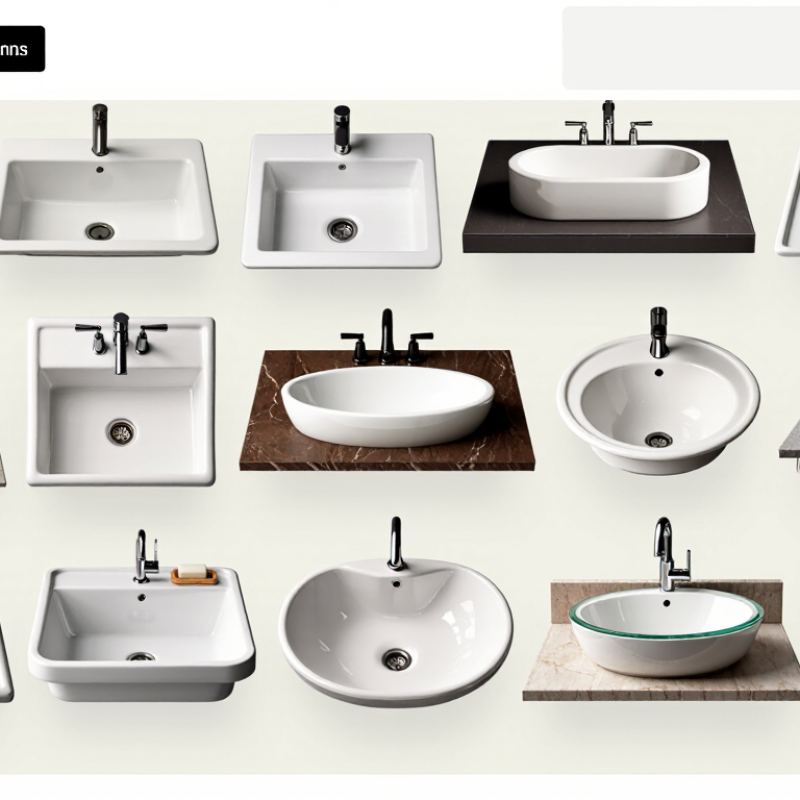
An undermount bathroom sink is installed beneath the countertop, leaving a smooth surface around the basin. That small design choice changes everyday cleaning: water and toothpaste can be wiped directly into the bowl, without catching on a raised rim.
Small detail. Big difference.
The countertop’s cut edge remains visible, so it needs a neat, water-resistant finish. Stone and solid-surface counters are common partners; ordinary laminate may not suit a standard undermount installation.
Material affects both weight and upkeep. Vitreous china has a smooth, nonporous surface and is familiar in many bathrooms, while some stone or composite basins offer different colors and textures. Check the manufacturer’s care guidance before using abrasive cleaners.
Bowl depth matters, too. A shallow basin may splash during handwashing, while a deeper one can limit space beneath the counter. Measure the cabinet, faucet reach, drain position, and available plumbing clearance before choosing. A sink can look generous in a photo and still feel cramped beside a tall faucet.
Installation also deserves care: the sink needs secure support and a well-sealed joint, not just a tidy appearance. I would not trade a reliable fit for a slightly wider bowl.
Beauty is useful, but leaks are memorable.
Choosing an undermount bathroom sink starts with the counter, not the price tag. Measure the cabinet width, countertop depth, and space around the faucet. A sink that looks compact in a photo can crowd a narrow vanity. Leave enough room for soap and daily essentials. Measure twice.
Material affects both cost and upkeep. Porcelain is common and easy to clean, while stainless steel can suit a modern bathroom but may show water spots. Composite options vary, so check the maker’s care instructions and warranty before buying.
Pay attention to the bowl’s depth, too. A shallow basin may splash when you wash your hands; a deeper one can take up valuable cabinet space. There is no perfect depth for every bathroom.
Also check whether the sink fits your countertop material and cutout. Undermount installation depends on a secure, well-sealed connection, so ask who will install it and what the quote includes. A low-cost sink may not be the cheapest choice if it requires extra counter work or uncommon fittings.
I once focused too much on the bowl’s price and too little on the installation details. That was a useful reminder.
Compare total costs, inspect the dimensions, and choose a finish you can maintain without special effort.
The ten strongest undermount bathroom sink choices span three useful price bands, before installation. Houzz’s 2024 U.S. Bathroom Trends Study put median bathroom-remodel spending at $15,000, showing why a sink’s purchase price is only part of the budget. For roughly $60–$150, consider a compact round basin, a classic oval, or a standard rectangular vitreous-china model. These are easy-care, familiar options for smaller vanities. Check the cabinet cutout and overflow placement before ordering; a low price cannot fix a poor fit.
At about $150–$350, four practical upgrades include a deeper rectangular basin, a slim-rim ceramic design, a fireclay option, or a model with a wider tap deck. These can offer more usable bowl space and a cleaner countertop edge. Measure from the cabinet interior, not just the visible counter. A little awkward, but important. For approximately $350–$800 or more, three higher-end choices include an enameled cast-iron basin, a larger sculptural ceramic model, or a natural-stone sink. Stone varies in color and upkeep, so request care instructions and inspect sample images closely. Prices vary by size, finish, and retailer; installation and countertop alterations may add substantially to the total. These ranges are guides, not guarantees.
These broad, indicative price bands show how undermount bathroom sink options can span budget, mid-range, and premium tiers. Estimates are for the sink only, in USD; installation, materials, size, and retailer can affect the final price.
An undermount sink sits beneath the counter, so its material affects weight, feel, and daily care. Vitreous china is smooth and usually budget-friendly, but a dropped bottle can chip it. Fireclay feels substantial and resists everyday staining, though its weight may require sturdy cabinetry. Stainless steel is lighter and less prone to cracking, but water spots can show. Composite options vary in texture and heat tolerance, so check the care instructions before choosing. Small details matter.
Size should suit both the vanity and the people using it. Many bathroom bowls measure roughly 16 to 20 inches across, but cabinet depth and faucet placement can limit your choices. A deeper basin helps contain splashes; it may also leave less room underneath for plumbing. Measure the usable counter area, not just the overall vanity. Measure twice. Even careful measurements can miss a drawer rail or drain position.
Undermount installation needs a compatible countertop, a secure support system, and a clean, sealed rim. Stone counters commonly accommodate this style; some laminate surfaces may need a different mounting approach. Confirm the sink template, cutout dimensions, cabinet clearance, and faucet reach before ordering. Heavier bowls may need extra support, and the installer should follow the sink maker’s mounting guidance. This step is easy to underestimate. Allow room to reach the drain and supply lines later, because repairs become awkward when the cabinet is tightly packed.
Wipe the basin after daily use. A soft microfiber cloth and a little mild dish soap usually remove toothpaste, soap film, and light grime. Rinse well, then dry the bowl and the narrow seam beneath the counter. That small step helps limit water spots and keeps residue from collecting where the sink meets the countertop. The seam is easy to overlook. Use a non-abrasive sponge for stubborn marks, and check the sink and counter care instructions before trying acidic or bleach-based cleaners. Some surfaces can dull or stain, even when a product seems gentle.
Once a week, look closely along the underside edge and around the drain. Check for cracked sealant, dark spots, or moisture inside the vanity cabinet; these can point to a leak or failing joint. Don’t scrape sealant with a sharp tool, since it can scratch the sink or countertop. If a joint is loose, dry the area and arrange a proper repair rather than covering it with more caulk. I’d admit that a spotless bowl can distract from a damp cabinet. Check under the sink, too. Keep the drain clear of hair and soap buildup, but avoid forcing tools into the pipe if you’re unsure how it is assembled.
It sits beneath the countertop, leaving a smooth surface around the basin. No raised rim.
Yes. You can wipe water and toothpaste straight into the bowl. The counter’s cut edge still needs a neat, water-resistant finish.
Stone and solid-surface counters are common choices. Ordinary laminate may not suit a standard installation, so check compatibility before buying.
Check the cabinet width, counter depth, faucet reach, drain position, and plumbing clearance. Measure twice. A photo can be misleading.
A shallow bowl may splash during handwashing. A deeper one can reduce storage space beneath the counter. There is no perfect depth.
Vitreous china has a smooth, nonporous surface. Composite, stone, and stainless-steel options vary in appearance and care needs. Read the care instructions.
Basic options may cost about $60–$150, mid-range models about $150–$350, and higher-end choices $350–$800 or more. These are guides, not guarantees.
Ask whether the quote includes countertop work, fittings, and installation. The sink needs secure support and a well-sealed joint. Looks are not enough.
Not always. Extra counter work or uncommon fittings can raise the total. I would compare the full cost, not just the bowl price.
Undermount Bathroom Sinks offer a clean, streamlined look by fitting beneath the countertop, making it easier to wipe water and debris directly into the basin. Choosing the right sink means balancing your bathroom’s available space, preferred style, and budget. Consider the basin’s shape and depth, along with countertop compatibility and the installation work required. Options across different price ranges vary in material, size, durability, and overall appearance, so compare these features to find a practical match rather than focusing on price alone.
Before purchasing, confirm that the sink dimensions suit your vanity and that the counter can support the installation. Materials may differ in how well they resist stains, scratches, and everyday wear. Once installed, regular cleaning with suitable, non-abrasive products and prompt attention to spills can help preserve the sink’s finish and keep the surrounding countertop looking tidy.