Design Ideas & Industry Trends

KubeBath Insights & Journal

Discover buying guides, renovation inspiration, smart toilet features, and expert bathroom care tips.

0%

Choosing the best Bathroom Medicine Cabinets in 2026 is less about chasing the newest feature and more about finding a cabinet that works in your actual bathroom. A wide mirrored door may look impressive, but it can crowd a narrow vanity or bump into a light fixture. Measure the wall, check the door swing, and note where plumbing or wall studs may limit placement. Small details matter.

This guide compares the features that affect daily use: storage depth, shelf adjustability, mirror quality, hinge movement, lighting, and installation requirements. It also considers how different styles suit different rooms, from compact bathrooms needing recessed storage to larger spaces where a surface-mounted cabinet is easier to fit. For lighted models, look for clear product specifications and follow the manufacturer’s installation instructions; electrical work may call for a qualified professional.

There is no single best choice for everyone. A cabinet with ample shelves might be frustrating if its door opens toward a busy walkway, while a sleek model may offer less usable space than its photos suggest. Product descriptions can leave important questions unanswered, too. That is worth admitting. By weighing dimensions, materials, practical features, and maintenance needs together, you can narrow the options and choose a cabinet that fits your routine—not just your renovation photos.
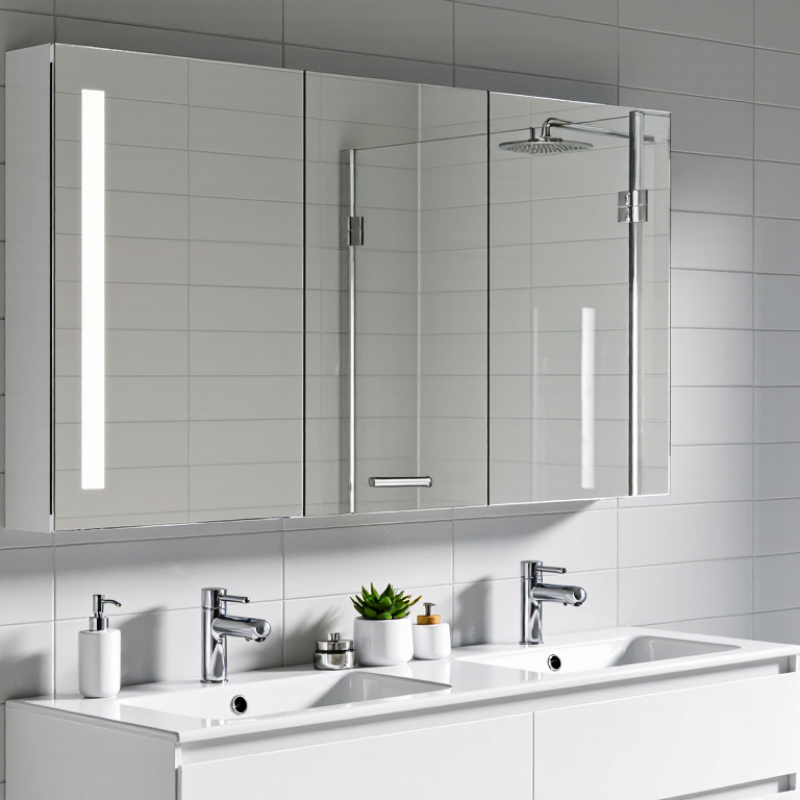
What Are the Best Bathroom Medicine Cabinets in 2026?

What a Bathroom Medicine Cabinet Is and How It Is Used

A bathroom medicine cabinet is a wall-mounted storage unit, usually fitted with a mirrored door. It keeps everyday items—such as a toothbrush, skincare products, and prescribed medicines—within reach while adding a mirror above the sink. Some cabinets sit on the wall; recessed models fit into a wall cavity, when the bathroom layout allows. The difference is practical: a surface-mounted cabinet may be easier to install, while a recessed one can sit more flush with the wall. Measure the space and check door clearance before choosing one. Small details matter.

A cabinet is useful when its shelves match what you actually store. Keep frequently used items near eye level, and avoid packing the shelves so tightly that small bottles disappear behind larger ones. Store medicines as their labels direct, and keep them away from children. Houzz’s 2024 U.S. Bathroom Trends Study found that 76% of renovating homeowners added bathroom storage, reflecting how often storage is part of bathroom upgrades. Still, a cabinet is not a cure for clutter. A narrow interior, a door that bumps a light fixture, or shelves that are hard to adjust can make daily use frustrating. Check measurements, shelf spacing, and lighting before deciding.

Main Types and Features of Medicine Cabinets in 2026

What Are the Best Bathroom Medicine Cabinets in 2026?

Main Types and Features of Medicine Cabinets in 2026

Bathroom medicine cabinets generally come in recessed and surface-mounted designs. A recessed cabinet sits inside the wall, creating a tidy profile, but installation may require checking for pipes, wiring, and wall framing. A surface-mounted model is simpler to fit and can add useful depth in a small bathroom. Mirrored doors remain practical, while double-sided mirrors make it easier to check your appearance from different angles. Choose shelves that adjust to fit tall bottles, not just small jars.

Newer features can include built-in lighting, electrical outlets, and fog-resistant mirror zones. Lighting helps with grooming, though color and brightness matter: harsh, cool light can make a bathroom feel clinical. Check that electrical features are designed for bathroom use and installed according to the product instructions. Moisture-resistant finishes and sturdy hinges are worth inspecting, since steam and daily opening can wear down weaker components. The best feature list is not always the best fit.

Tips: Measure the wall, door swing, and nearby fixtures before choosing a cabinet. Store heavier bottles on lower shelves, and leave space around items you use every day. A cabinet that looks slightly plain may prove more convenient than one packed with extras.

How to Compare Cabinets for Size, Storage, Lighting, and Value

Choosing a bathroom medicine cabinet in 2026 starts with a tape measure, not a style photo. Measure the wall opening, sink width, and door swing; note nearby lights and tile trim. A cabinet that looks spacious online can crowd a faucet or block a doorway. For shared bathrooms, adjustable shelves make room for tall bottles and small daily items. Shallow shelves are less glamorous, but often easier to keep organized.

Lighting and value deserve equal scrutiny. The U.S. Department of Energy’s Energy Saver guidance says LEDs use at least 75% less energy than incandescent lighting and can last up to 25 times longer. That makes integrated LED lighting worth comparing, though replacement access and color quality matter too. Houzz’s 2024 U.S. Bathroom Trends Study reported a $15,000 median bathroom renovation spend, up 11% from 2022. That figure covers a whole renovation, not one cabinet; still, it helps put cabinet quotes in context. Compare total price, installation, storage layout, and warranty—not just the mirror’s finish. And measure twice. A missed outlet can turn a tidy upgrade into an awkward compromise.

Best Bathroom Medicine Cabinets by Need and Bathroom Type

In a narrow bathroom, a recessed medicine cabinet can free up counter space without making the room feel crowded. Check the wall depth before choosing one; pipes, wiring, or studs may limit the opening. Measure twice. A shallow surface-mounted cabinet is often easier to fit, though it can catch shoulders in a tight walkway. Check the door swing against nearby lights and faucets.

For shared bathrooms, look for adjustable shelves that fit tall bottles and small daily items. A mirrored interior helps with grooming, while soft built-in lighting can make early mornings easier. Keep storage practical: a cabinet packed with products becomes hard to use. Families may also want a separate, secure place for medicines, rather than assuming a bathroom cabinet is childproof. Damp air matters, too. Choose finishes and hinges suited to humid rooms, and follow qualified electrical guidance for powered features.

An ensuite often benefits from a wider cabinet with divided storage, especially when two people use the sink. In a powder room, a slim cabinet may be enough for hand soap refills and a few essentials. Older bathrooms can have uneven walls, so check the mounting surface before ordering. Small details matter. A mirrored cabinet can look clinical if its frame clashes with warm tile or wood. And the largest option is not always the most useful.

What Are the Best Bathroom Medicine Cabinets in 2026? Best Choices by Need and Bathroom Type

The best choice depends on available wall space, storage needs, installation type, and bathroom conditions. Size ranges below are typical planning estimates, not specifications for a particular product.

Best For Bathroom Type or Need Typical Cabinet Size (W × H × D) Recommended Configuration Why It Works Points to Check
Small-space choice Powder rooms and compact bathrooms 14–20 × 20–28 × 4–6 in Single-door cabinet with adjustable shelves; surface-mounted or recessed where wall framing allows Offers everyday storage while keeping the cabinet footprint manageable above a narrow vanity. Measure the vanity, faucet, light fixtures, and door swing. Confirm that the cabinet will not feel oversized on a narrow wall.
Best for a shared bathroom Family bathrooms with frequent daily use 24–36 × 26–36 × 4–6 in Wide cabinet with two or three doors and multiple adjustable shelves A wider interior can separate personal-care items and provide easier access for more than one user. Check the mirror-door swing and shelf spacing. Keep medicines and other potentially harmful products securely out of children’s reach.
Best for a clean, flush look Bathrooms with suitable wall cavities 16–30 × 20–36 × about 3–5 in recessed into the wall Recessed cabinet with a mirrored front and adjustable interior shelves Recessing the cabinet can reduce how far it projects into the room and create a more streamlined appearance. Have the wall checked for studs, wiring, plumbing, and other obstructions before cutting. The usable interior depth is less than the overall cabinet depth.
Best for extra storage Bathrooms with a larger vanity wall 30–48 × 26–36 × 4–6 in Wide, multi-door cabinet or a coordinated pair of cabinets Provides more shelf area for household toiletries and makes it easier to organize items by user or category. Make sure the cabinet width suits the vanity and leaves adequate clearance from adjacent walls, lights, and fixtures.
Best for limited wall width Narrow bathrooms or narrow sections of wall 12–18 × 24–32 × 4–6 in Tall, narrow cabinet with adjustable shelves Uses vertical wall space when a wide cabinet will not fit. Confirm that the mirror provides enough viewing area and that the door can open fully without hitting a wall or fixture.
Best for shared mirror use Double-sink vanities and busy morning routines 30–48 × 26–36 × 4–6 in Wide mirrored cabinet with multiple doors; consider two separate cabinets if the wall layout suits them A broad mirrored surface can serve more than one person, while divided storage helps keep items organized. Plan the cabinet position around both sinks, lighting, and the users’ reach. Check that open doors do not block access to either sink.
Best for humid bathrooms Bathrooms with frequent showers or limited ventilation Choose a size that fits the wall; common widths are 16–36 in Cabinet made with corrosion-resistant metal or moisture-resistant materials, with sealed edges and suitable hardware Materials and finishes intended for damp indoor environments are better suited to routine bathroom humidity than untreated materials. Use the bathroom’s ventilation fan, follow the care instructions, and avoid assuming that any cabinet is waterproof or suitable for direct water exposure.
Best for accessible reach Bathrooms where seated or shorter users need easy access Often 16–30 × 20–32 × 4–6 in; choose dimensions to suit the user and wall Cabinet positioned for reachable shelves, with a door style that is easy to open Thoughtful placement can make frequently used items and the mirror easier to reach for the people using the bathroom. Set the mounting height based on user needs and local requirements. Check reach, mirror position, door clearance, and secure wall anchoring.

Measurement tip: Measure the wall and the available space above the sink before choosing a cabinet. For recessed installation, verify wall-cavity depth and check for hidden wiring or plumbing with a qualified professional. Always follow the cabinet maker’s installation instructions and applicable local building requirements.

What to Check Before Buying and Installing a Cabinet

Before choosing a bathroom medicine cabinet, measure the available wall space, including height, width, and depth. Check nearby lights, faucets, towel bars, and switches. A door that opens into a light fixture gets annoying quickly. Leave enough clearance for the door to swing fully, and make sure the mirror sits at a comfortable height for everyone who uses it.

Decide whether a recessed or surface-mounted cabinet suits the wall. Recessed models need a clear cavity, but pipes, wiring, or studs may limit placement. Never cut into a wall until you know what is behind it. If you are unsure, ask a qualified installer to inspect the area. Surface-mounted cabinets are simpler to fit, though they project into the room and need secure anchoring. A perfect fit on paper can still feel awkward beside a towel bar.

Bathrooms collect moisture. Look for materials and finishes suited to humid conditions, sturdy hinges, and shelves that adjust to bottles of different heights. Check the cabinet’s weight and follow its installation instructions; the right fasteners depend on the wall. I would not assume every wall anchor is suitable. It is easy to overlook that detail. After installation, open and close the door, then check that stored items remain stable and easy to reach.

FAQS

What are the main types of bathroom medicine cabinets?

Recessed cabinets sit inside the wall for a neater profile. Surface-mounted cabinets attach to the wall and add depth. Mirrored doors are practical, while double-sided mirrors offer extra viewing angles.

How do I choose between recessed and surface-mounted designs?

Choose recessed only when the wall has a clear cavity. Pipes, wiring, and framing can limit placement. Surface-mounted cabinets are simpler to fit, but they project into the room. Not always a perfect fit.

What should I measure before buying a cabinet?

Measure the wall space, sink width, and available depth. Check nearby lights, faucets, switches, and towel bars. Make sure the door can open fully without hitting anything. Measure twice.

What storage features are useful for everyday items?

Adjustable shelves can fit tall bottles and small jars. Keep frequently used items easy to reach, with heavier bottles on lower shelves. Shallow shelves may look modest, but they can be easier to organize.

Is built-in lighting worth considering?

Lighting can help with grooming, but color and brightness matter. Harsh, cool light may make a bathroom feel clinical. LED lighting generally uses less energy than incandescent lighting, but check replacement access and light quality.

What materials and hardware should I check?

Look for finishes suited to humid bathrooms, sturdy hinges, and shelves that feel stable. Steam and frequent door movement can wear weaker parts. Small details matter.

How can I compare cabinet prices fairly?

Compare the cabinet price, installation, storage layout, and warranty together. A polished mirror finish does not guarantee useful storage. A plain cabinet may suit daily routines better.

What should I check before installing a cabinet?

Confirm the wall can support the cabinet and follow its installation instructions. Recessed models may need an installer to check what is behind the wall. Choose fasteners for the wall type. I would not assume every anchor works.

Conclusion

Bathroom Medicine Cabinets in 2026 offer more than a place to store everyday toiletries. They can help keep bathroom essentials organized, make better use of wall space, and provide a convenient mirror or added lighting. Common options include recessed and surface-mounted designs, mirrored or plain-front cabinets, and models with shelves, adjustable storage, or integrated illumination. The right choice depends on the bathroom’s layout and the items you need to keep within reach.

When comparing cabinets, consider dimensions, usable storage, lighting quality, materials, ease of cleaning, and overall value. A compact bathroom may benefit from a space-saving design, while a shared or family bathroom may need more shelves and capacity. Before buying, measure the available wall area and check for nearby fixtures, electrical connections, and installation requirements. Choosing a cabinet that suits both your routine and your bathroom’s conditions can make daily use more convenient and keep the space feeling orderly.


Alexander

Alexander

Alexander is a professional marketing specialist dedicated to helping businesses understand, present, and benefit from high-quality products and services. With extensive experience in market research, customer communication, content strategy, and digital marketing, he brings a practical and......